Understanding Paper Goodie Bags and Their Role in Modern Branding
What Are Paper Goodie Bags?
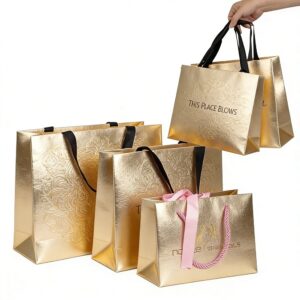
Paper goodie bags are practical branded packaging for retail, gifting, takeaway, fashion, and events. Usually made from kraft, coated, or recycled paper, they combine portability with a surface that can carry color, texture, and brand details.
Demand for lower-impact packaging has accelerated the move from single-use plastic to paper. A well-made paper bag is recyclable in many local systems, feels tactile, and can suit both everyday purchases and premium products.
Why Businesses Choose Paper Bags Over Plastic Alternatives
Brands increasingly choose paper bags because they can support environmental goals without sacrificing presentation.
- Environmental benefits: Paper can be recyclable, compostable, and sourced from renewable fibers.
- Brand alignment: Paper packaging gives eco-conscious customers a visible sign of responsible choices.
- Design flexibility: Embossing, foil stamping, lamination, and specialty printing create distinctive finishes.
- Cost control: Modern production methods make customized paper bags accessible across more order sizes.
The Impact of Custom Design on Brand Identity
How Customization Strengthens Brand Recognition
A custom paper bag works like mobile advertising. Each reuse exposes the logo, colors, and typography to a wider audience. When those details match other touchpoints, the package reinforces a consistent visual identity.
Materials and finishes also tell a brand story before the product is opened.
- A minimalist kraft finish communicates honesty and simplicity.
- Metallic foil or textured paper signals premium positioning.
- Bold color and graphic contrast can express youthful energy.
The strongest designs connect these cues to the product rather than decorating the bag without purpose.
Elements That Make a Paper Goodie Bag Stand Out
Offset printing, hot stamping, UV coating, embossing, and matte lamination can emphasize key elements while keeping the composition balanced. Logos should remain legible at a natural carrying distance.
Function matters as much as appearance. Appropriate paper weight, reinforced handle holes, secure bases, and comfortable handles help a creative design perform reliably.
Exploring Different Types of Paper Bags for Branding Purposes
Paper Goodie Bags for Events and Retail Stores
Retailers use paper bags to extend the purchase experience beyond the store, while event organizers use them for samples, gifts, and launch materials. Seasonal graphics or limited-edition colors can make the package memorable and encourage reuse.
Dr Box develops customized packaging for gifts, clothing, cosmetics, chocolate, wine, jewelry, and other product categories, with specifications shaped around each brand and use case.
Paper Box Bags for Premium Product Presentation
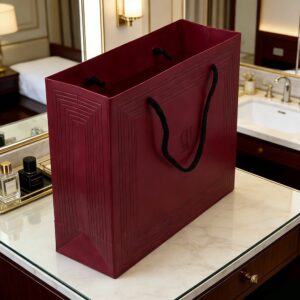
Box-style paper bags combine a structured silhouette with convenient handles. Their rigidity helps protect jewelry, fragrance, cosmetics, and other premium items while increasing perceived value.
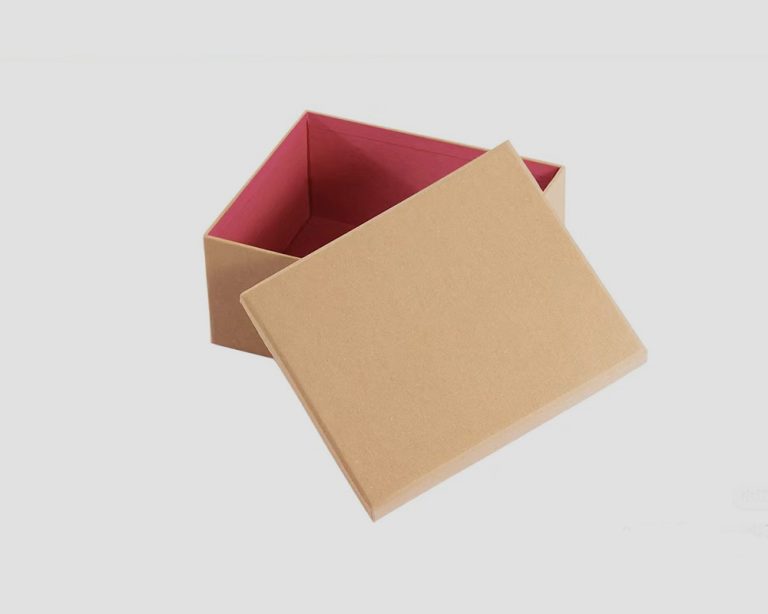
For especially valuable products, rigid boxes add pressure and drop resistance. Pairing a rigid box with a coordinated paper bag creates a cohesive presentation from transport to unboxing.
The Role of Sustainability in Custom Paper Bag Production
Eco-Friendly Materials and Manufacturing Practices
Sustainable packaging starts with measurable choices: responsibly sourced or recycled paper, water-based adhesives, efficient layouts, and inks or coatings compatible with the intended recycling route. Dr Box also focuses on recyclable materials and efficient manufacturing methods.
Digital cutting and modern finishing systems can improve precision, reduce setup waste, and make customized short runs more practical.
Communicating Sustainability Through Packaging Design
Clear disposal instructions, material claims, or a QR code can help customers reuse or recycle the package correctly. Claims should be specific and supportable rather than vague.
Earth tones and natural textures can reinforce an environmental message, but the material specification and manufacturing decisions must provide the real evidence behind the design.
How Custom Paper Bags Influence Consumer Experience
Creating a Memorable Unboxing or Purchase Moment
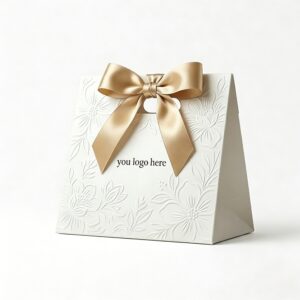
Packaging shapes the first physical impression of a product. Smooth coatings, visible paper grain, embossing, or debossing invite touch and can make a routine purchase feel considered. Attractive packaging also gives customers a reason to share the experience online.
A coordinated bag and box turns opening a product into a sequence: recognition, anticipation, reveal, and reuse. Each stage can strengthen recall without adding excessive decoration.
Building Emotional Connections Through Thoughtful Design Choices
Color sets mood, texture suggests craftsmanship, and typography conveys personality. When these elements reflect values such as simplicity, playfulness, or luxury, customers experience a coherent brand rather than a collection of unrelated effects.
Practical Considerations When Ordering Custom Paper Goodie Bags
Choosing the Right Size, Material, and Finish for Your Brand Needs
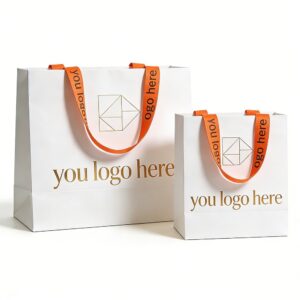
Specifications should protect the product, carry comfortably, and support the intended visual effect.
- Size: Allow enough room for the product and tissue without excess movement or deformation.
- Material: Compare kraft, coated, and specialty papers by strength, print result, and recycling needs.
- Finish: Use matte lamination for restraint, gloss for color intensity, or embossing for tactile emphasis.
Before mass production, review an electronic proof and, when needed, a physical prototype. Check dimensions, color, handle strength, finish placement, and product fit.
Collaborating with Designers and Manufacturers Effectively
Share product dimensions, weight, brand guidelines, target quantity, budget, delivery date, and sustainability requirements early. Clear information helps Dr Box recommend an appropriate structure and production plan.
Consolidated feedback during proofing reduces revisions and prevents avoidable delays. Approve materials, artwork, and structural details before production begins.
Trends Shaping the Future of Paper Bag Branding
Innovations in Printing Technology
Digital printing supports high-quality short runs, faster seasonal tests, and more targeted artwork. Brands can trial a limited design before committing to a larger order.
QR codes can connect physical packaging with care instructions, recycling guidance, product stories, or campaign content. The digital destination should be useful, mobile-friendly, and kept current.
Minimalist and Sustainable Aesthetic Preferences
Clean layouts, restrained colors, and visible material quality are replacing unnecessary decoration. Reusable construction extends brand visibility after the first purchase and can reduce the need for additional packaging.
Conclusion
Custom paper goodie bags are more than carriers: they connect brand identity, product protection, sustainability, and customer experience. The most successful solutions balance attractive graphics with reliable structure and credible material choices.
Dr Box can support a project from specification and proofing through production, helping brands create paper bags and coordinated boxes that are practical, distinctive, and appropriate for their market.
For bespoke solutions that enable innovative packaging that is more sustainable and enhances your branding, contact us today.
FAQ
Q: What makes Dr Box paper goodie bags different from standard options?
A: Dr Box combines customized structures, material choices, printing, and finishes to match the product, brand identity, and intended customer experience.
Q: How does Dr Box support more sustainable production?
A: Options can include responsibly sourced or recycled paper, recyclable structures, water-based adhesives, efficient production planning, and finishes selected for the project’s disposal route.
Q: How long does it take to produce custom paper goodie bags?
A: Standard production commonly averages 10–30 working days, depending on packaging type, quantity, complexity, and season. Allow additional time for design approval and sample revisions.