The best custom packaging boxes for small business brands fit the product, work in a real fulfillment routine, and support recognition. A new brand needs a package that protects the item, fits available storage, reflects its market position, and can grow with the range.
That means packaging decisions should begin with the order model. A single-item online shipment, a mixed gift set, a retail shelf product, and a premium launch may all need different structures even when they carry the same logo. A practical selection process helps small businesses avoid paying for visual features that do not improve the customer experience.
Start With the Product and Order Model
Single-Product Orders
A single-product order is often the easiest place to begin with a custom box. The package can be designed around one product’s length, width, height, and opening sequence, which helps reduce empty space and makes the fulfillment routine easier to repeat.
For direct shipping, an integrated mailer structure may combine the outer shipping function with the branded opening moment. This can be useful for a small ecommerce business that wants the parcel to feel intentional without adding a separate retail carton inside.
Mixed Product Orders
Mixed orders create a different design problem. Several products may need to stay separated, upright, or visually organized when the box is opened. In that situation, the outer box, insert, and arrangement should be considered together so the customer sees a deliberate set rather than a collection of items placed into an empty carton.
Fragile and Premium Items
Fragile products need more than attractive printing. Bottles, jars, delicate accessories, and gift items may require a stable internal position and a structure that limits movement during delivery. The safest decision is to test the box with the actual product and review vulnerable corners, closures, and surfaces before production.
Match Custom Packaging Boxes for Small Business to the Job
Airplane Boxes for Direct Shipping
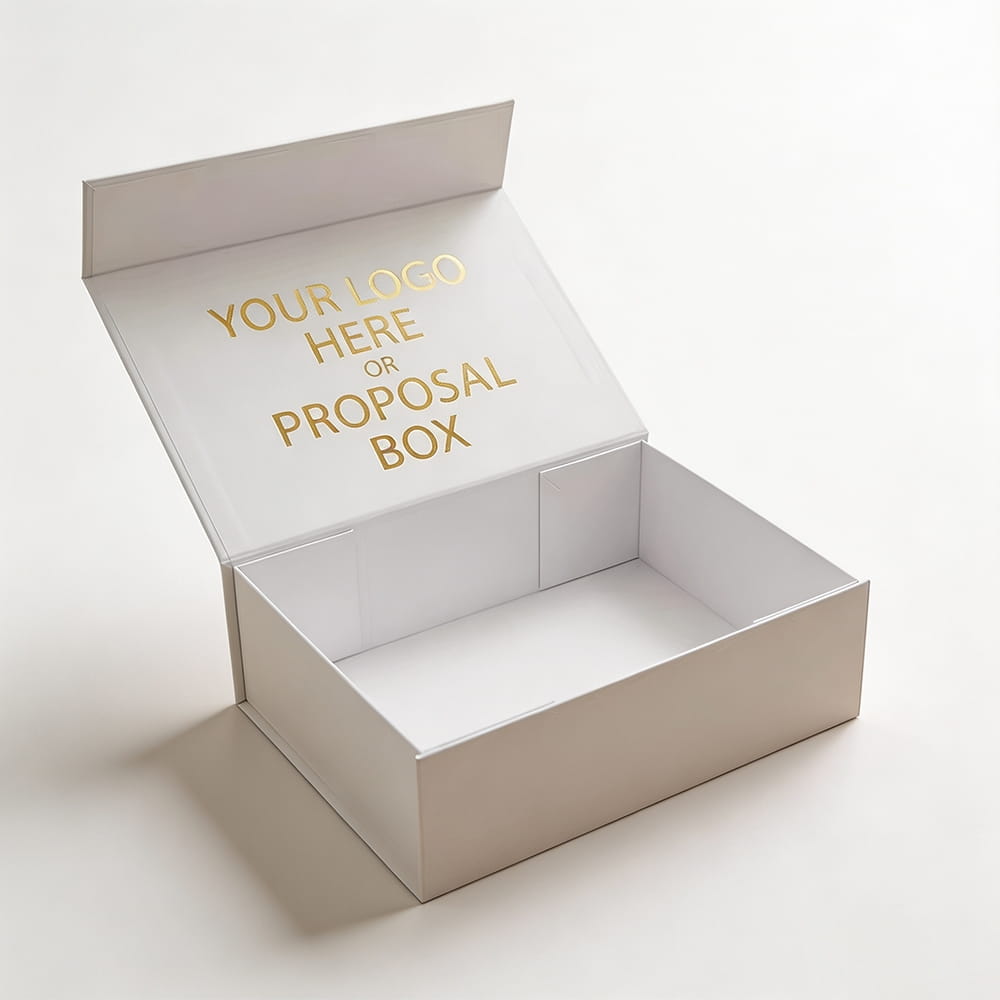
Dr Box positions its Airplane Box as mailer boxes, e-commerce shipping boxes, and shipping cartons. The page highlights full-coverage corner protectors and stronger pressure resistance, making the structure relevant to small brands that send products directly to customers and want a more integrated shipping package.
A well-proportioned custom airplane box can reduce the visual distance between fulfillment and unboxing. It is particularly useful when the product is stable enough to travel in a mailer structure, and the brand wants the outside of the parcel to carry a clear identity.
Corrugated Boxes for Flexible Protection
Corrugated boxes can suit a small business with changing order sizes, multiple product combinations, or a separate inner presentation pack. Dr Box describes Corrugated Boxes as one of its widely used packaging products, which makes them a practical format to consider when transport protection needs to remain adaptable.
The right choice still depends on the order journey. A corrugated outer box may be more useful than a decorative retail box when the package must handle several product shapes, but a premium product may benefit from an inner rigid or foldable box that controls the unboxing experience.
Foldable Boxes for Storage and Reuse
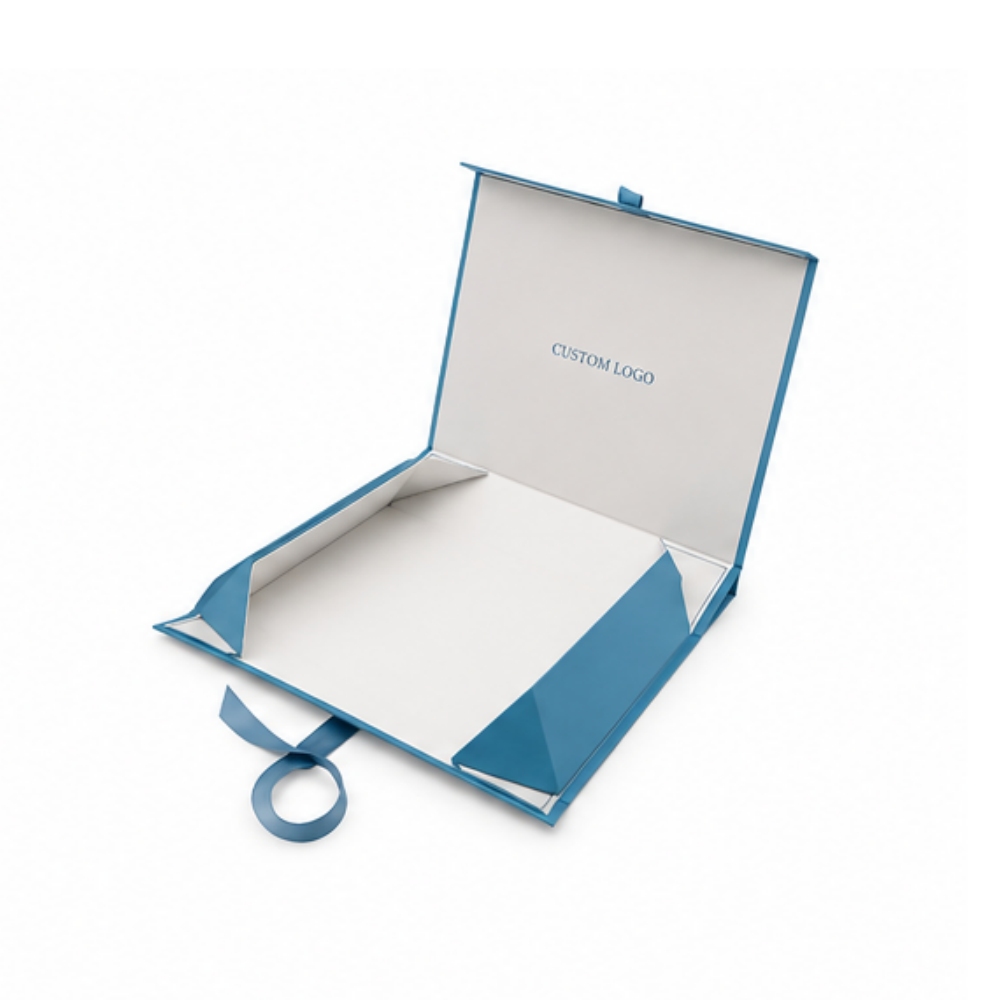
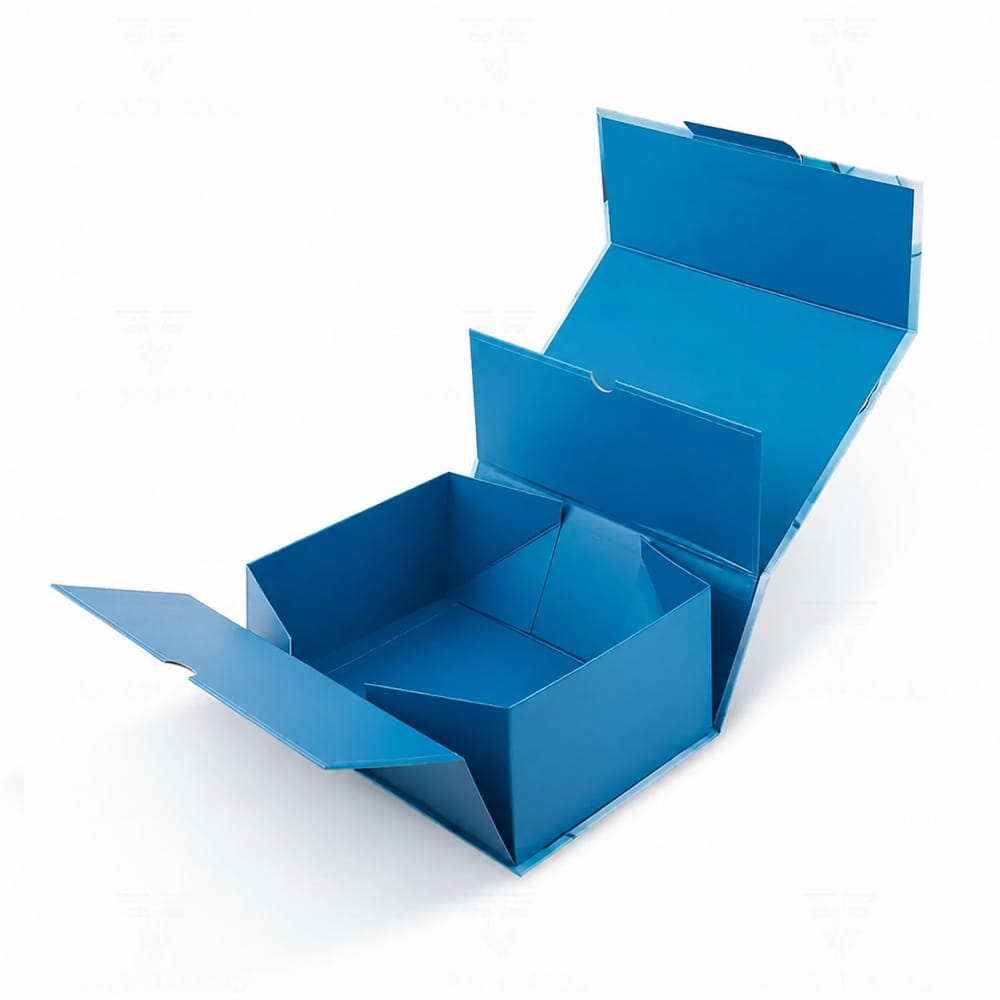
Foldable boxes can help a small brand manage limited storage space while maintaining a more finished presentation. Dr Box describes Foldable Boxes as reusable and suitable for souvenirs and customized gift boxes. That makes them relevant to gift programs, limited collections, and products where the customer may keep the packaging.
Rigid Boxes for Premium Presentation
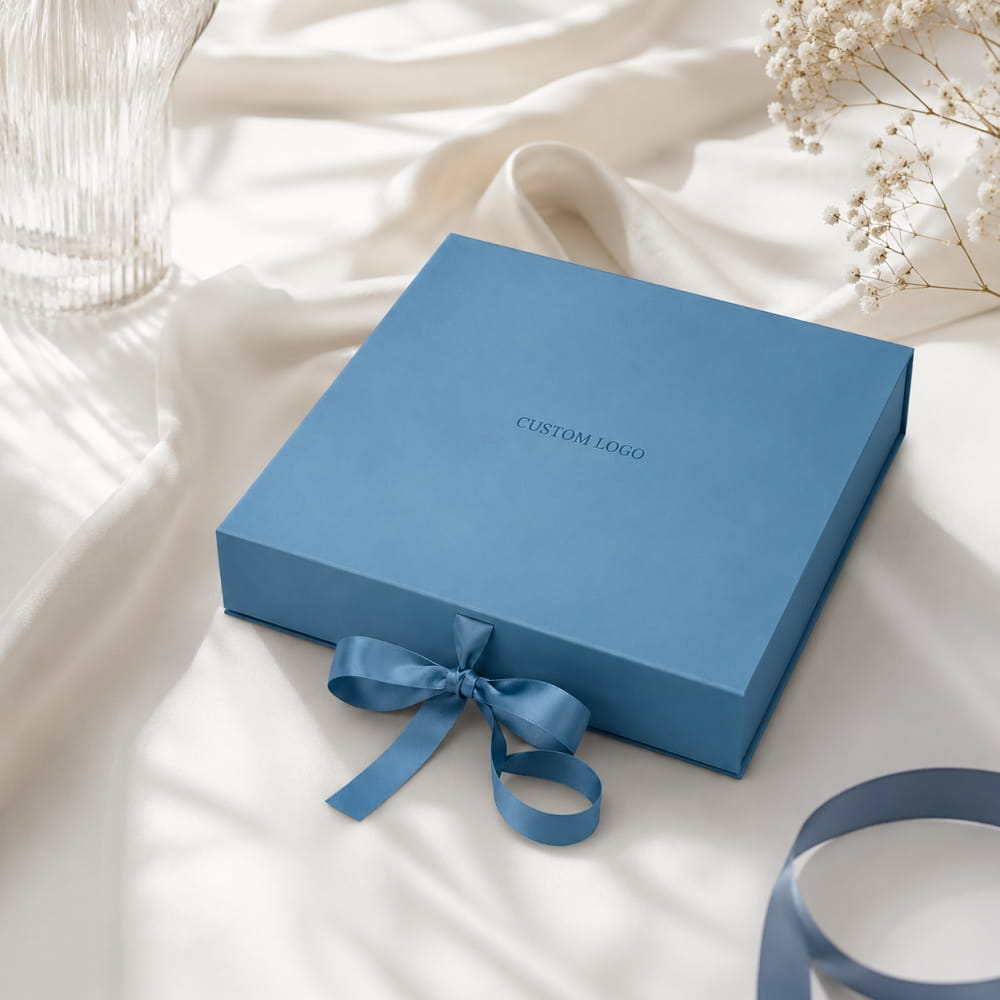
Luxury rigid boxes are appropriate when packaging is expected to remain part of the product’s value. Dr Box describes Luxury Rigid Boxes as pressure and drop resistant and suitable for valuable items. A small business may use this format for a signature gift set, a launch collection, or a product that needs a more substantial unboxing moment.
Balance Branding With Practical Use
Select the Print System Around the Structure
A strong brand package is not simply a box with a logo added at the end. Artwork should follow the panels, folds, closure, and opening direction so the visual identity appears in the right place when the box is closed and opened. This is especially important for small business packaging, where each physical touchpoint may carry more of the brand story.
Dr Box offers printing and finishing support across its paper packaging range. Folding Carton Boxes are described as suitable for offset printing, hot stamping, and UV coating, while other structures can be developed around different presentation needs. The sensible choice is the finish that improves recognition or touch without complicating the package unnecessarily.
Create a Consistent Range
Small brands often begin with one product and add more later. A consistent paper, color system, print treatment, or opening cue can help the range feel connected even when the box structures are different. Consistency also makes future artwork development easier because the brand already has a visual framework to extend.
Plan Dimensions, Storage, and Fulfillment
Avoid Excessive Empty Space
Oversized packaging can increase movement, consume storage space, and make the order feel less considered. Undersized packaging can press against the product or create inconsistent closures. Custom dimensions are useful because they let the small business choose a more controlled relationship between the product and the outer package.
Leave Room for Product Growth
A new packaging structure should serve today’s product without blocking tomorrow’s range. That does not mean making the box unnecessarily large. It means identifying which dimensions or inserts may need to change if a second size, bundle, or limited edition is introduced.
Validate the Package Before the Run
Review the Physical Sample
A flat artwork file cannot show every practical issue. The physical review should confirm the product fit, fold alignment, closure force, print position, surface feel, and the way the box looks on a shelf or packing bench. Small adjustments at this stage can prevent recurring problems after production begins.
Check the Customer Opening Moment
Ask someone unfamiliar with the package to open it using the intended product arrangement. Watch whether the opening action feels natural, whether the product is easy to remove, and whether the most important brand detail appears at the right time. This simple test connects packaging design with the customer’s real experience.
When presentation carries more weight than routine shipping, a luxury rigid box may be appropriate for a signature product or gift set. It is best treated as a focused presentation choice within the wider packaging system, not as the default structure for every order.
How Dr Box Helps Small Businesses Build Consistent Packaging
Dr Box supports a broad range of custom paper packaging, including Airplane Boxes, Corrugated Boxes, Foldable Boxes, Folding Carton Boxes, and Luxury Rigid Boxes. This makes it possible to select a structure based on product type, shipping role, storage needs, and presentation level rather than forcing every product into one format.
Conclusion
The right custom packaging boxes for small business brands are the ones that protect the product, fit the operation, and remain useful as the product range develops. Airplane Boxes can support direct shipping, Corrugated Boxes can provide adaptable protection, Foldable Boxes can help with storage and reuse, and Rigid Boxes can strengthen premium presentation.
See how Dr Box can shape a custom packaging system around your product and growth plan.
FAQ
Q: What are the best custom packaging boxes for small business products?
A: The best structure depends on the product, order model, storage space, and brand position. Airplane Boxes suit many direct-to-consumer shipments, Corrugated Boxes offer flexible outer protection, Foldable Boxes support storage and reuse, and Luxury Rigid Boxes are better suited to premium presentation or valuable gift sets.
Q: Can a small business customize box size and structure?
A: Dr Box presents its packaging solutions as fully customizable, including dimensions and structure. A clear brief should include product measurements, packing arrangement, opening expectations, artwork, and the intended shipping or retail use so the sample can be reviewed against the real application.
Q: How can a new brand avoid overcomplicated packaging?
A: Begin with the product journey and define the few functions the package must perform: protection, closure, storage, brand presentation, and customer opening. Select only the materials, finishes, inserts, and accessories that support those functions. A clean, well-fitted box is often more effective than a crowded design.
Q: Is custom packaging practical for a growing product range?
A: Yes, when the brand plans a consistent visual system and chooses structures that can adapt to related products or bundles. A small family of box sizes, shared artwork rules, and flexible insert planning can make future packaging easier to extend without losing recognition.