Custom paper bags work best when they are designed around the entire retail journey, not just the front print. The right paper, handle, finish, and proportion should protect the packed item, feel comfortable in the hand, and make the brand visible after the customer leaves the store.
For clothing, gifts, takeout, and everyday retail packaging, Dr Box combines paper bag customization with practical choices such as art paper, kraft-style presentation, offset printing, matte lamination, and rope handles. That combination gives brands room to build a recognizable carrier without making the bag feel like a disposable afterthought.
Why Custom Paper Bags Still Matter in Retail
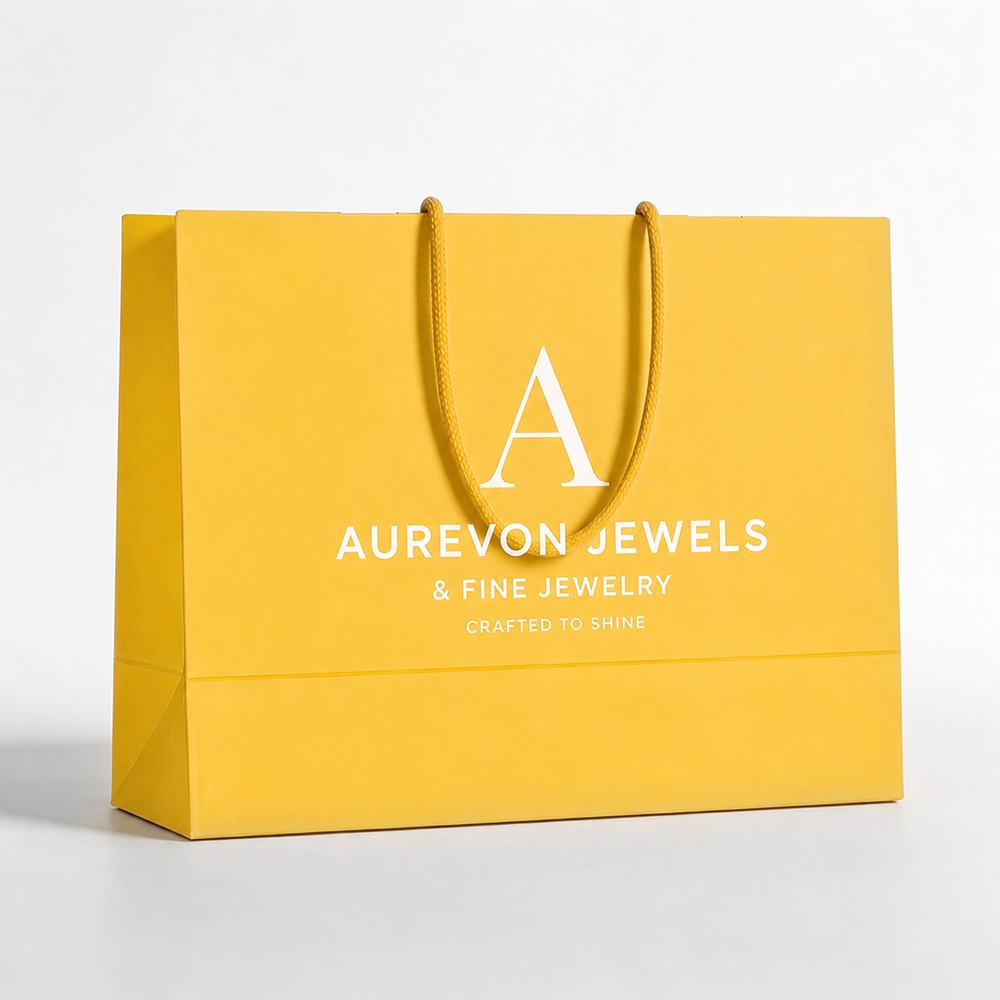
A paper bag used for shopping purposes will likely be the last physical interaction that takes place between the shop and the consumer. This is because after being taken out of the shop, it gets photographed, it travels to offices and homes, and might even be reused on another occasion.
Generic bags can solve the immediate carrying problem, but they rarely match the product, the store environment, or the intended price position. Custom paper bags allow the structure and visual treatment to support the merchandise, whether the contents are a folded garment, a gift set, a takeaway order, or a small premium product.
Carry Comfort and Brand Recall
Handle attachment deserves more attention than it usually receives. Rope handles offer a familiar, flexible carrying feel, while the handle length and placement influence how the bag hangs, how the weight is distributed, and whether the front panel remains visible during use.
The bag should also look composed when it is empty. A clean opening, stable base, and balanced front-to-side proportion help the package hold its shape on a counter and make the printed area easier to see. These details matter for store presentation as much as they matter for customer comfort.
Match the Bag to the Product Journey
The first decision is not color. It is the journey the bag must support. A clothing retailer may need a wider opening and a broad front panel, while a gift application may benefit from a more upright silhouette and a refined handle. Takeout and food-related uses require especially careful communication about the intended packaging application and material suitability.
Clothing, Gifts, Takeout, and Daily Retail Use
For clothing, the bag should accommodate folded products without excessive empty space. A bag that is too deep can collapse around the garment; one that is too narrow can distort the side folds and pull against the handle attachment. The useful goal is a proportion that feels intentional when the bag is full and when it is carried away.
Gift packaging has a different rhythm. The customer expects a clean reveal, a pleasing exterior, and enough structure to keep the package presentable between the counter and the final recipient. For takeout or food packaging, the priority shifts toward practical handling and clear application boundaries rather than purely decorative finishing.
Custom Paper Bags and Material Choice
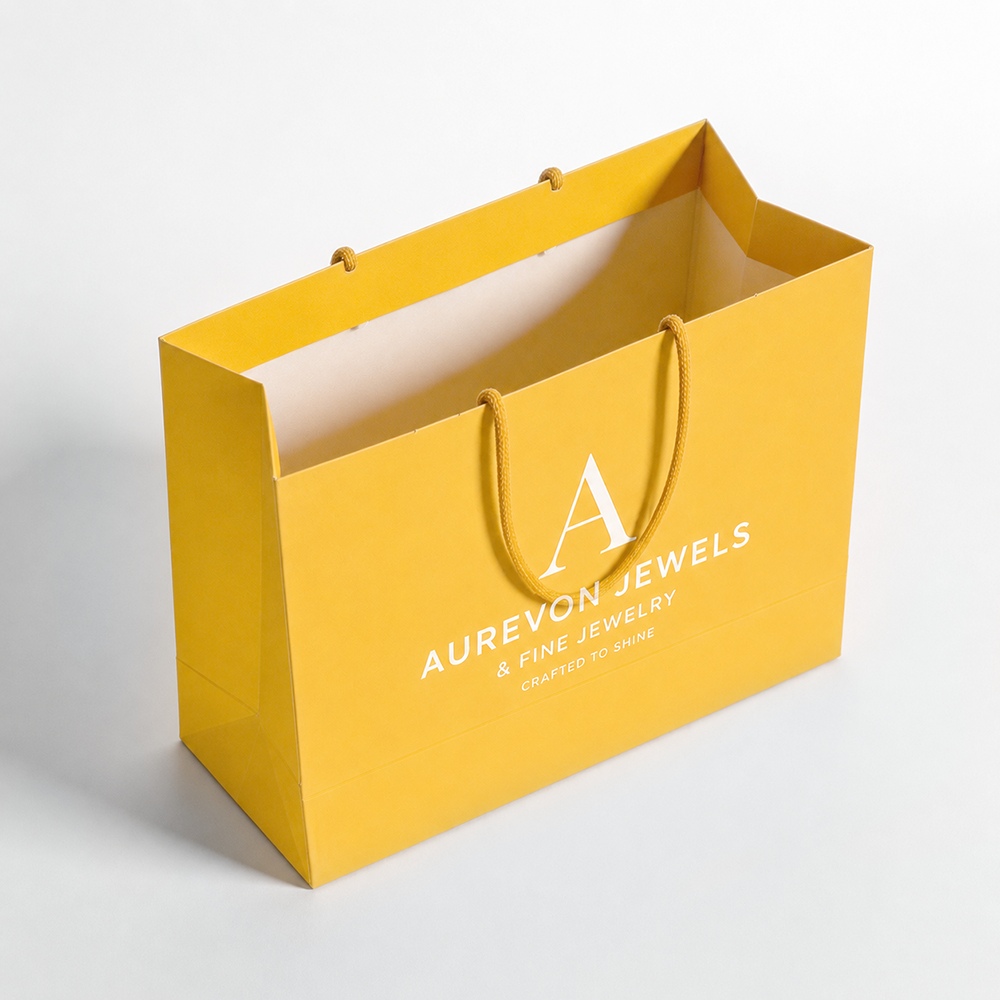
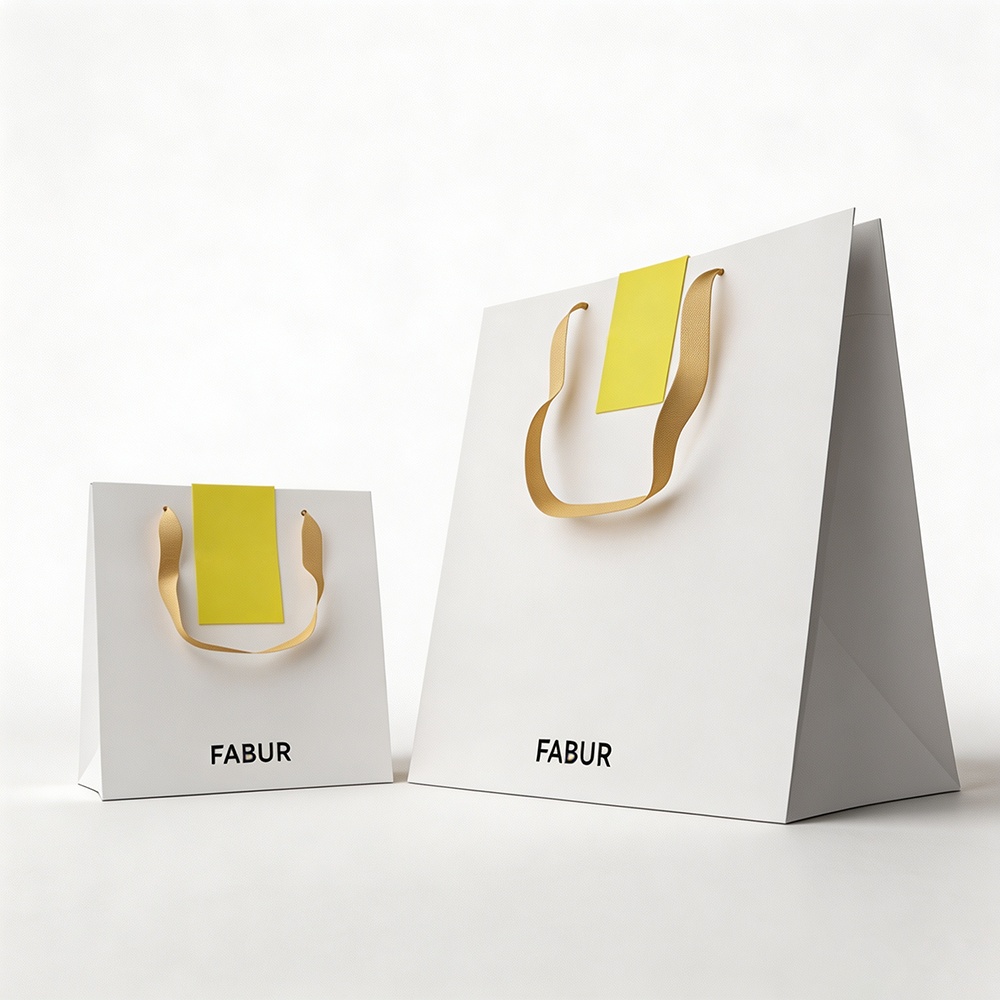
Material affects the way a bag looks, folds, prints, and carries. Dr Box presents paper bags through both kraft-oriented retail positioning and art paper examples. A 250g white art paper example uses offset printing, matte lamination, and a rope handle; a 250g yellow art paper example uses the same general print and finish direction in a vertical gift-bag format.
These examples show why material selection should be tied to the visual objective. White art paper can provide a clean base for a controlled color system, while a kraft appearance can signal a more natural retail mood. The choice should follow the brand palette, product category, surface feel, and expected handling conditions.
Kraft Paper, Art Paper, and Recyclable Expectations
Sustainability language is most credible when it matches the physical package. The Dr Box paper bag pages describe recycled materials and full recyclability after use. Brands should still review the complete packaging construction, printing system, handles, coatings, and local disposal context before making specific environmental claims on their own channels.
Printing and Finish Decide the First Impression
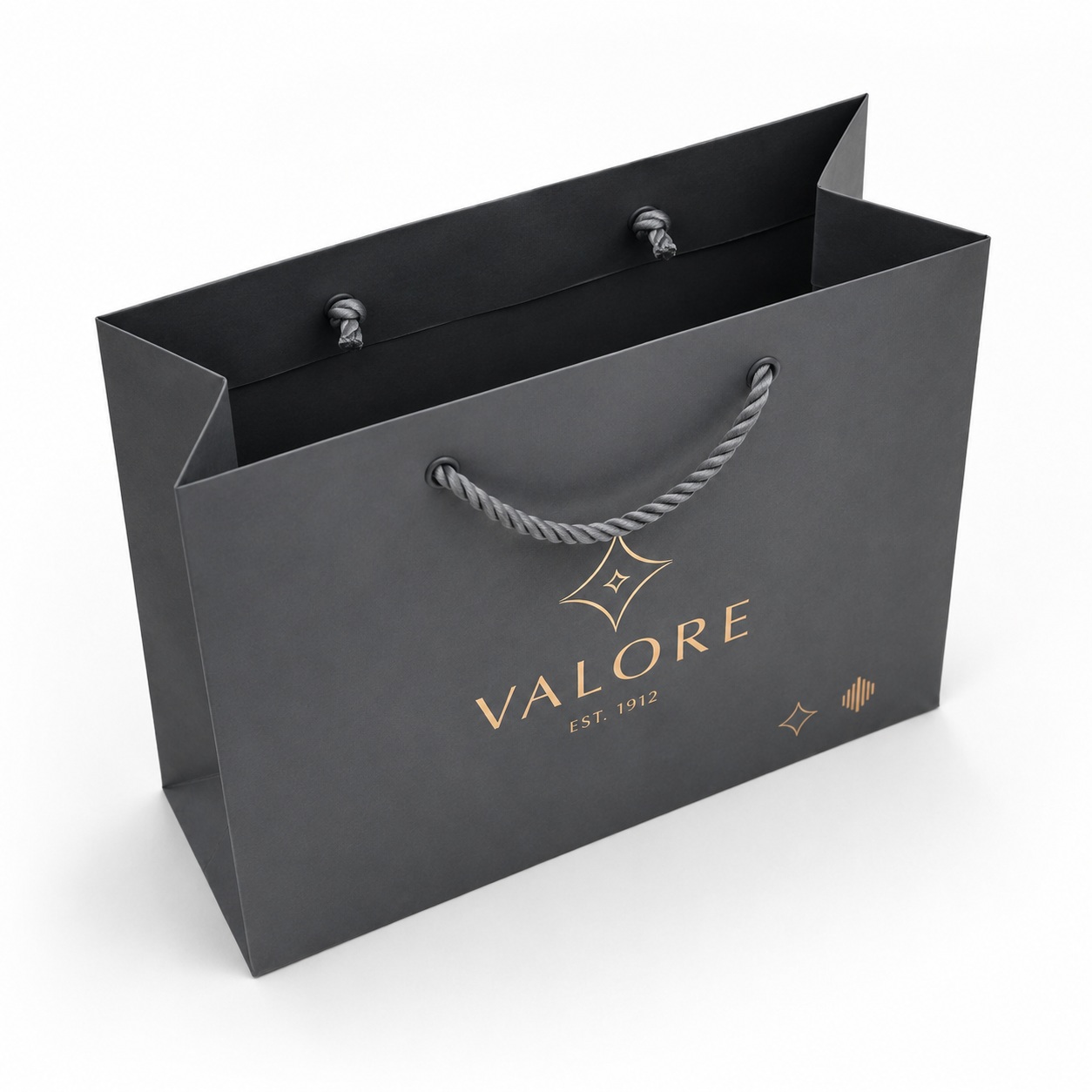
Offset printing is useful when a brand needs crisp color areas, patterns, or controlled visual repetition across a paper bag range. Matte lamination changes the touch and reflection of the surface, helping the bag feel quieter and more refined than a highly glossy finish.
Designs do not necessarily need to be visually busy. Often, having just one dominating color and a limited pattern can do wonders in terms of creating recognition in comparison to having a crowded front panel. The finish needs to complement the product storyline while maintaining enough free space on the actual print material.
How Dr Box Supports Retail Packaging Decisions
Dr Box offers full customization across the bag format, material direction, printing, finish, and handle details. Its paper bag service also emphasizes one-on-one support and high-quality raw materials, which is useful when a retail team needs to move from a visual idea to a practical sample.
For a new collection, the most useful brief includes the product dimensions, packed weight, carrying context, preferred paper appearance, print references, handle preference, and the role the bag should play after the sale. The Dr Box paper bag collection can be used as a starting point for comparing gift and shopping bag directions, while the Gift Paper Bag example and Shopping Paper Bag example show how the same category can shift by proportion and use case.
Conclusion
The best custom paper bags connect appearance with everyday performance. When paper choice, proportion, rope handles, offset printing, matte lamination, and recyclable expectations are considered together, the bag becomes a useful extension of the retail brand instead of a temporary wrapper.
Explore Dr Box custom paper bags for a practical route from concept to a tailored packaging solution.
FAQ
Q: What are custom paper bags used for in retail?
A: Custom paper bags are used for clothing, gifts, takeout, food-related packaging, and general shopping. Their value comes from combining carrying function with brand visibility. A suitable design considers the product size, packed weight, handle placement, surface finish, and the way the bag will look when it is carried or reused.
Q: Are rope handles suitable for custom shopping paper bags?
A: Rope handles can provide a familiar and comfortable carrying experience for shopping and gift bags. Their suitability depends on the bag structure, handle attachment, product weight, and intended use. Dr Box product examples show rope handles as a practical detail that can also support a more premium visual impression.
Q: What finish works well for printed paper bags?
A: Matte lamination is a useful choice when a brand wants a softer reflection and a more refined hand feel. Offset printing can support clean color fields and patterns. The final choice should be judged against the paper surface, artwork, product category, and the visual character the retailer wants customers to remember.
Q: Can custom paper bags be recyclable?
A: Paper bags can support recyclable packaging goals, and Dr Box describes its paper bag examples as made from recycled materials and fully recyclable after use. The complete construction still matters. Brands should review coatings, handles, inks, and local recycling conditions before publishing precise environmental claims.