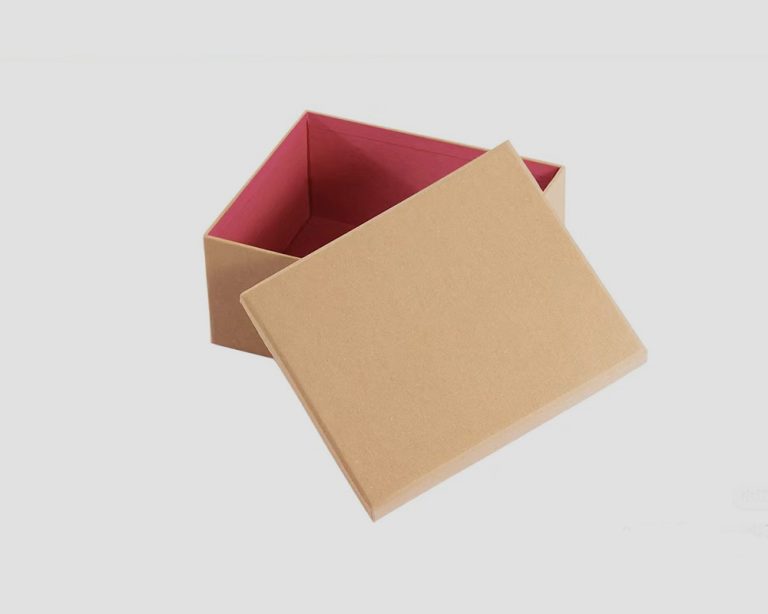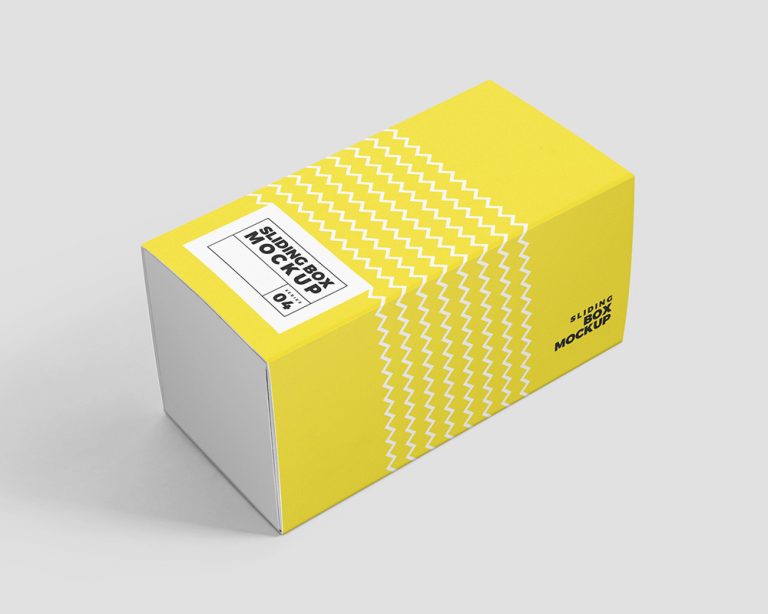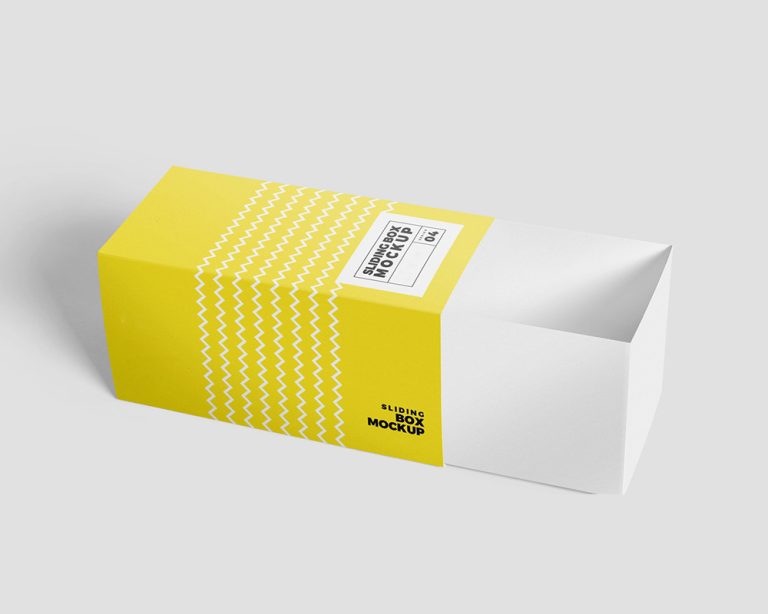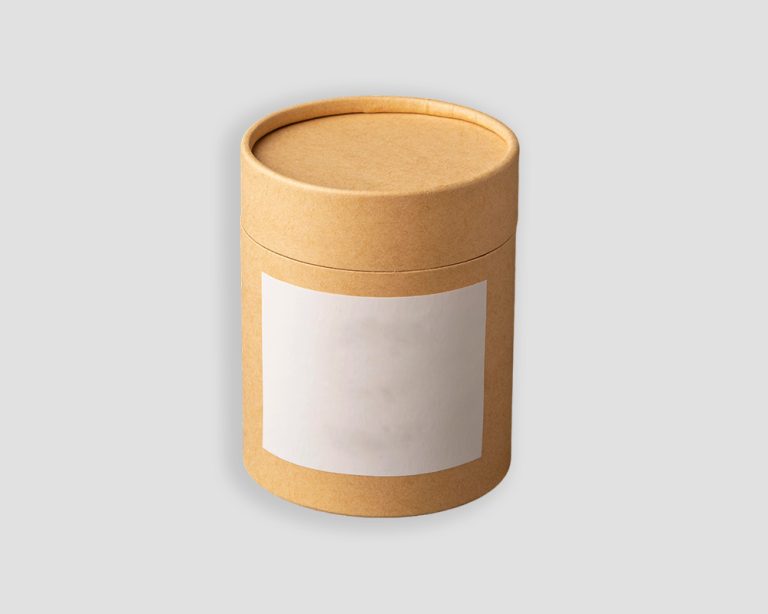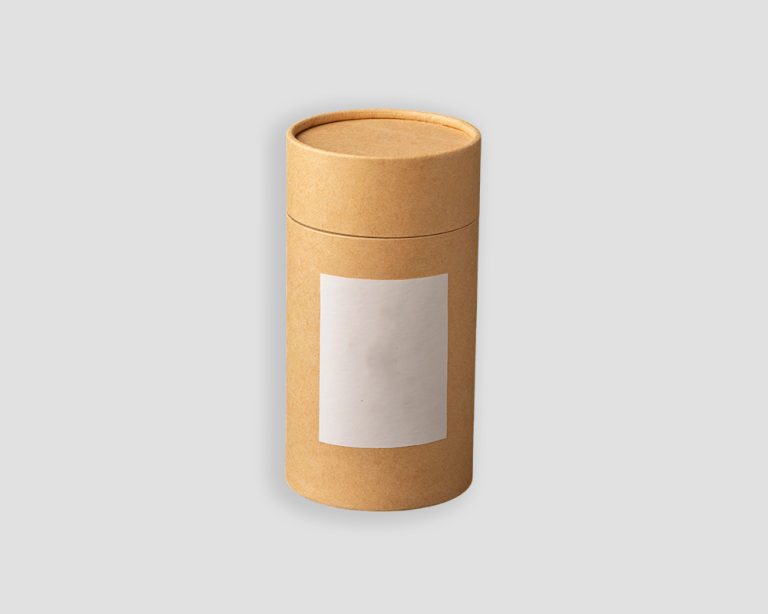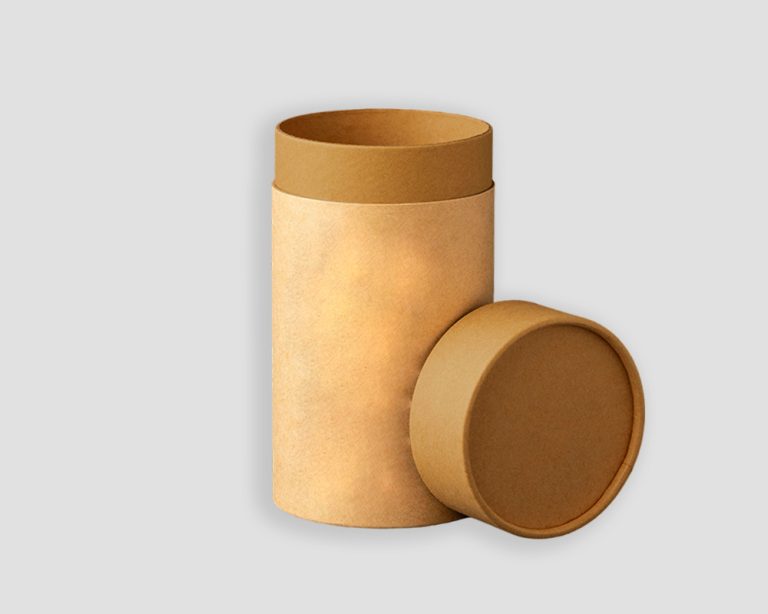
Folding carton boxes are a practical choice for retail packaging because they combine a printable surface, efficient storage, and a structure that can be shaped around the product. The right format helps a brand present products clearly, protect them during handling, and keep packaging operations manageable. For Dr Box, the strongest folding carton projects begin with product dimensions, shelf position, opening behavior, and the amount of information customers need to see.
A carton is more than a printed outer shell. Its panels, folds, closure, and internal space determine how the product sits, how quickly the box can be filled, and how confidently it reaches the shelf or the customer. When those details are planned together, paper box packaging can support both daily retail sales and seasonal product launches.
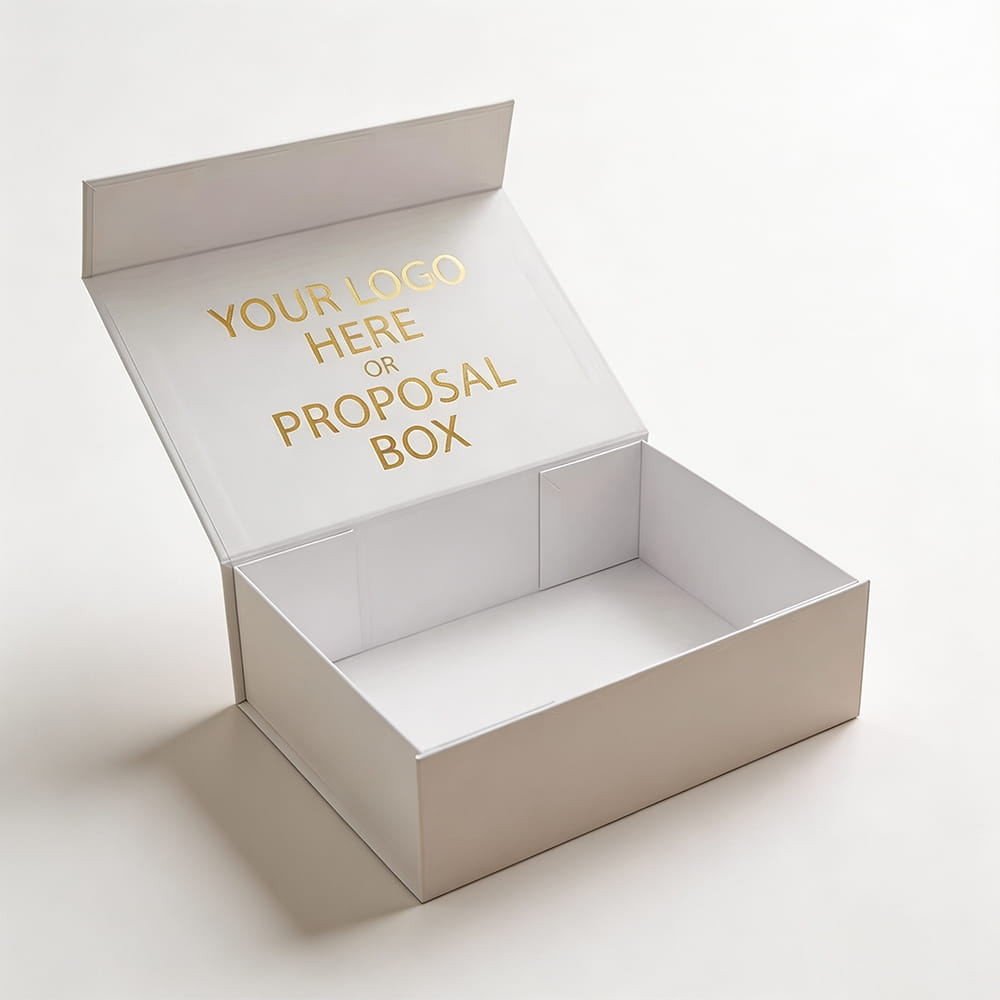
Why Folding Carton Boxes Remain a Retail Standard
Folding carton boxes work well in retail because they offer a broad communication surface without requiring a rigid structure. The front panel can carry the product name and main benefit, side panels can hold supporting information, and the back panel can organize instructions or required details. This gives a product a clear visual hierarchy before the shopper picks it up.
The format is also adaptable. A small carton can hold a single item, while a wider structure can organize a set or a promotional combination. Because the box is delivered flat before forming, brands can plan storage and handling around the way products move through their operations.
For an overview of the format, explore Dr Box folding carton boxes and compare the structure with the product presentation you need.
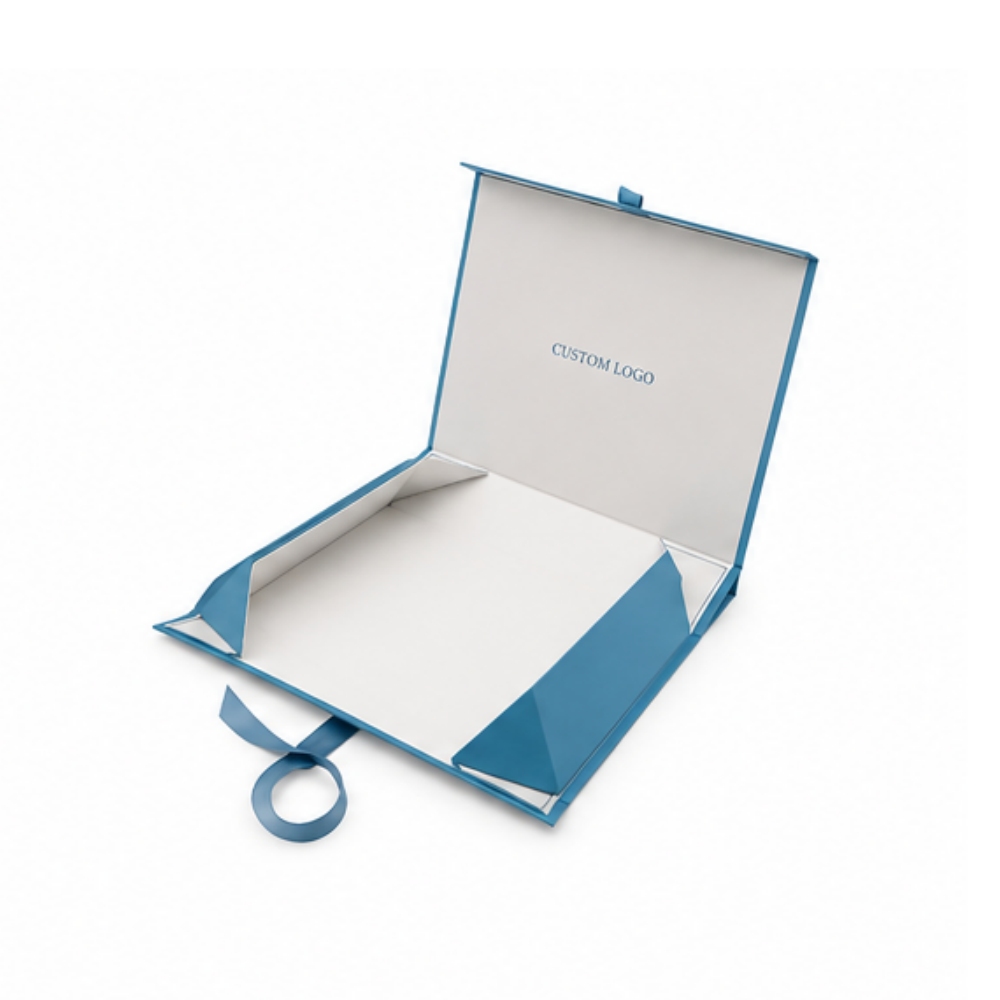
Choose Structure Around Product Handling
The most useful folding carton is the one that fits the product without making removal awkward. A carton for a lightweight item may need a simple tuck closure and a clean internal fit. A product with a fragile surface, irregular shape, or several components may need a more supportive layout so movement is limited during storage and handling.
The opening direction matters as well. A top-opening carton gives quick access for everyday retail use, while a sleeve, tray, or structured insert can create a more deliberate presentation for a set. The box should guide the customer toward the product rather than make the first interaction feel like a puzzle.
Make Single-Item Cartons Easy to Understand
Single-item products benefit from a front panel that communicates one clear idea. The product name, category, and most important visual cue should be easy to find from a shelf-facing angle. Too much information on the front can make a carton look busy, especially when several variants share the same format.
A consistent panel system helps a product family feel organized. Brands can keep the same carton proportions while changing color, imagery, or a small identifier for different flavors, sizes, or collections. That approach supports recognition without forcing every product into an identical visual treatment.
Plan Multi-Item Cartons for Order and Stability
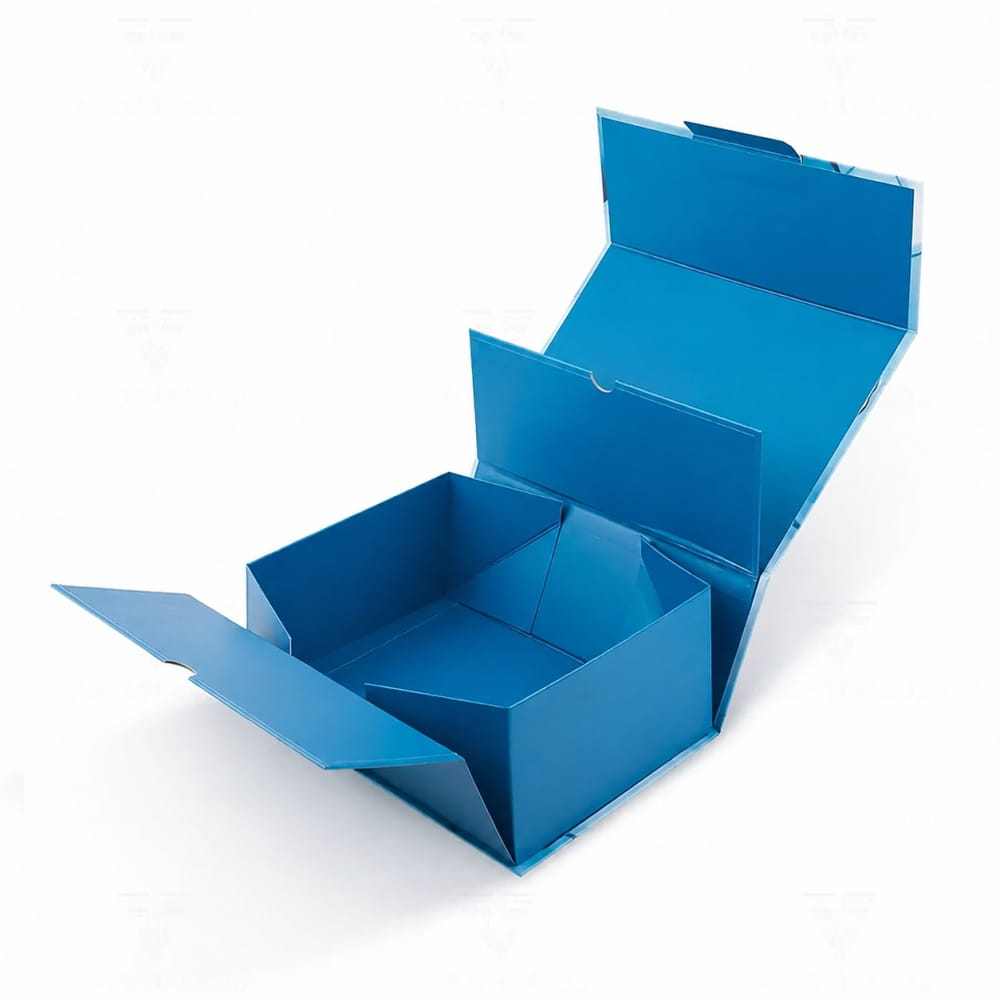
Gift sets and bundled products need a different logic because the customer expects several items to appear together. The carton should keep the contents in a readable order and leave enough space for removal. A simple divider, paper tray, or folded support can help separate products while keeping the outer format efficient.
This is where custom product packaging becomes useful. The structure can be planned around the actual product combination instead of adding a large empty box around unrelated pieces. A good fit improves the presentation and can reduce unnecessary movement during handling.
Design the Printed Surface for Fast Recognition
Printed carton boxes often compete for attention in a crowded retail environment, so design has to work quickly. Strong contrast, a readable product name, and a stable visual system help shoppers understand what they are looking at within a few seconds. The goal is not maximum decoration; it is clear recognition at the distance where the product is first seen.
Folding cartons can support offset, digital, and other print approaches depending on artwork, volume, and color requirements. A brand may use a restrained base with one strong graphic element, or create a collection system where color and layout identify different product lines. The printed surface should remain legible across the folds and closure panels.
Dr Box also presents custom paper packaging solutions that can help a brand keep folding cartons consistent with bags, rigid boxes, or other paper formats.
Match Material and Format to Brand Goals
Material affects how a carton folds, how it receives print, and how it feels in the hand. Paperboard can support a clean retail appearance, while kraft or textured surfaces create a more natural tone. The right choice depends on product weight, the desired visual direction, and whether the carton is a primary package or a secondary presentation layer.
Sustainability decisions should consider the entire structure rather than the outer paper alone. A carton that uses a simpler fold, a well-sized footprint, and a practical closure may reduce unnecessary material while still presenting the product professionally. Dr Box can help connect the material choice with the box format and intended use.
Support Retail and E-Commerce Workflows
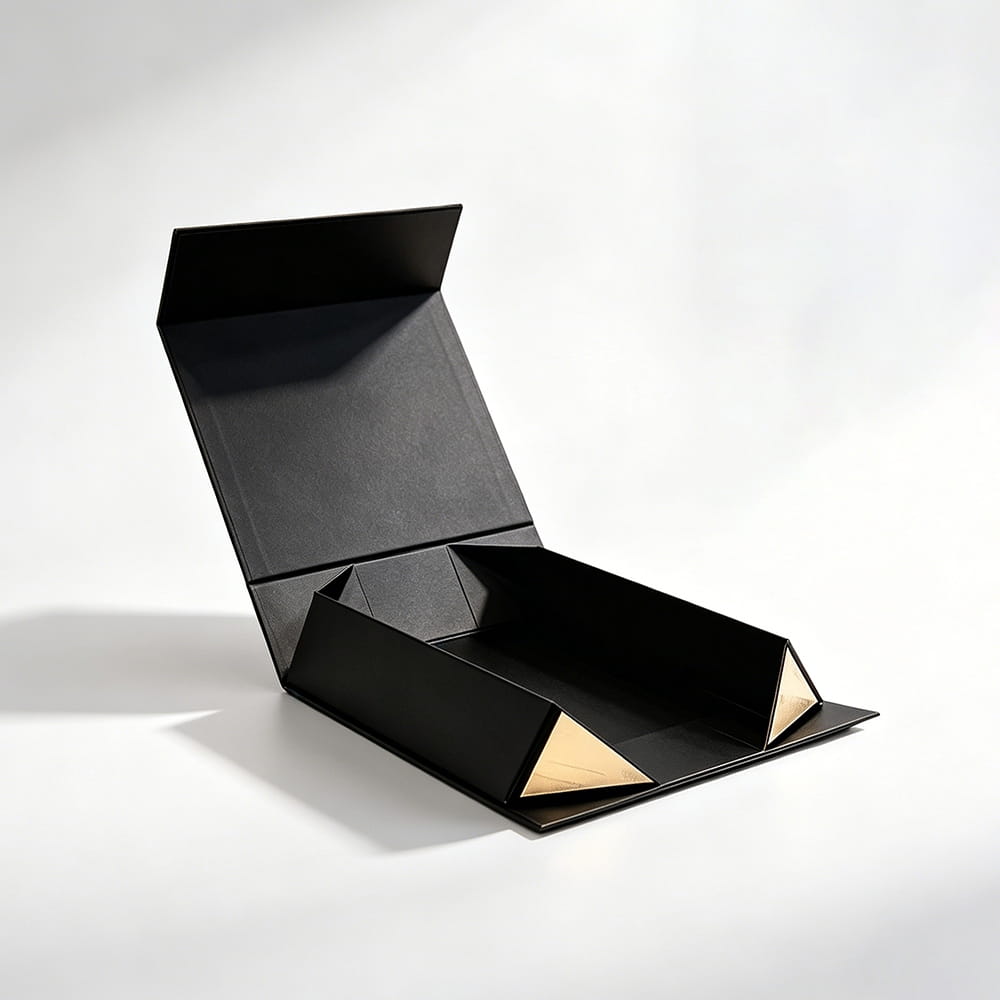
Retail packaging has to work beyond the shelf. Products may be stored flat, formed during packing, placed in a shipping carton, or sent directly to a customer. A folding carton that is easy to identify, close, and handle can reduce friction across these steps.
For online orders, the carton may also become the customer’s first physical brand interaction. It should arrive clean, keep the product organized, and open without damaging the contents. When the carton is paired with an appropriate outer shipping box, the brand can maintain a consistent experience from fulfillment to delivery.
For broader shipping protection, see Dr Box corrugated boxes when the product needs an additional outer carton for transport.
How Dr Box Supports Better Folding Carton Decisions
A useful packaging brief should include the product’s length, width, height, approximate weight, opening direction, display position, artwork requirements, and any components that need separation. These details allow the structure to be judged by function as well as appearance. They also make it easier to compare a simple folding carton with a tray, sleeve, or other paper-based format.
Dr Box can help brands connect folding carton boxes with a wider packaging system. A consistent approach across cartons, bags, and gift packaging makes a product range easier to recognize while allowing each format to serve its own role. The result is packaging that feels considered in use, not only attractive in a design file.
Conclusion
Folding carton boxes create value when their structure, printed surface, material, and product fit work together. They can make retail products easier to recognize, simpler to handle, and more consistent across physical and online sales channels. The most effective carton is not the most complicated one; it is the one that communicates clearly and performs naturally.
For brands developing retail lines, gift sets, or e-commerce product packaging, Dr Box can help turn a folding carton into a practical part of the customer experience. Explore Dr Box folding carton solutions to match your product, presentation goals, and packaging workflow.
FAQ
Q: What are folding carton boxes used for?
A: Folding carton boxes are used for retail products, promotional sets, light consumer goods, gift collections, and secondary packaging. They provide a printable surface, fold flat for storage, and can be shaped around the product. Their panels also give brands space to organize product names, benefits, instructions, and visual identifiers.
Q: How should a brand choose a folding carton structure?
A: Start with the product size, weight, opening direction, display position, and the number of components inside. Then consider the closure, panel layout, storage method, and whether a divider or paper support is needed. The structure should make the product easy to recognize, remove, and handle throughout retail or delivery.
Q: Are folding carton boxes suitable for e-commerce packaging?
A: Yes. Folding carton boxes can serve as the product-facing package inside an outer shipping carton. They help organize the product, carry brand information, and create a consistent arrival experience. The outer shipping box still needs to provide the transport protection required by the product and delivery route.