Custom cosmetic packaging delivers the best outcome when the box shape, insert style, material choice, and finish are planned around the beauty product rather than picked one by one. A serum bottle needs steady placement, a cream jar needs firm support, and a gift set needs a clean first look. The right package keeps the contents safe, shows the brand position, and gives customers an opening moment that matches the formula inside.
How Custom Cosmetic Packaging Protects Beauty Products
Beauty packaging has to do more than look good on the shelf. Glass droppers, pumps, jars, tubes, and small tools come in many shapes and have different weak points. A box that looks nice but leaves space around the product can feel careless. The first step is to decide where each item sits and what holds it in place.
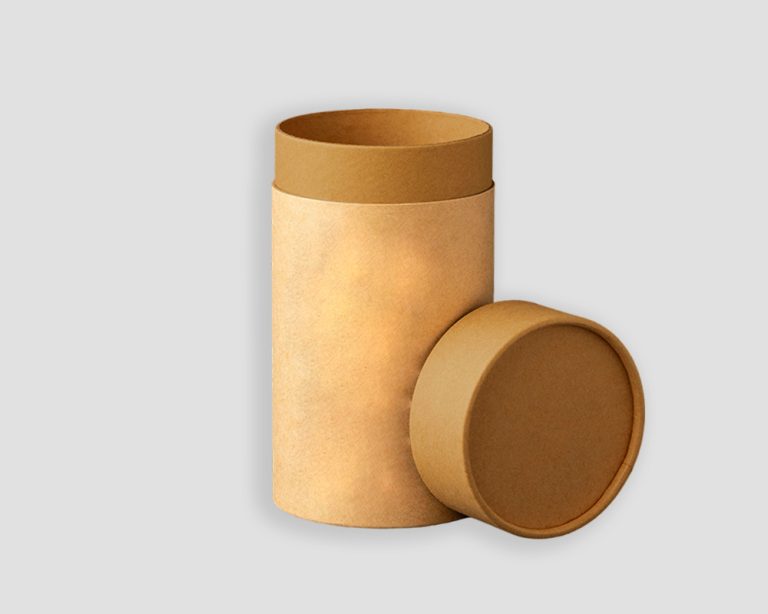
For brands that compare formats, Dr Box cosmetic packaging solutions show how folding boxes, rigid boxes, drawer boxes, paper tubes, and other paper structures can serve different beauty products. The useful choice is the one that fits the product shape and the planned reveal, not just the most decorative option.
Materials for Custom Cosmetic Packaging
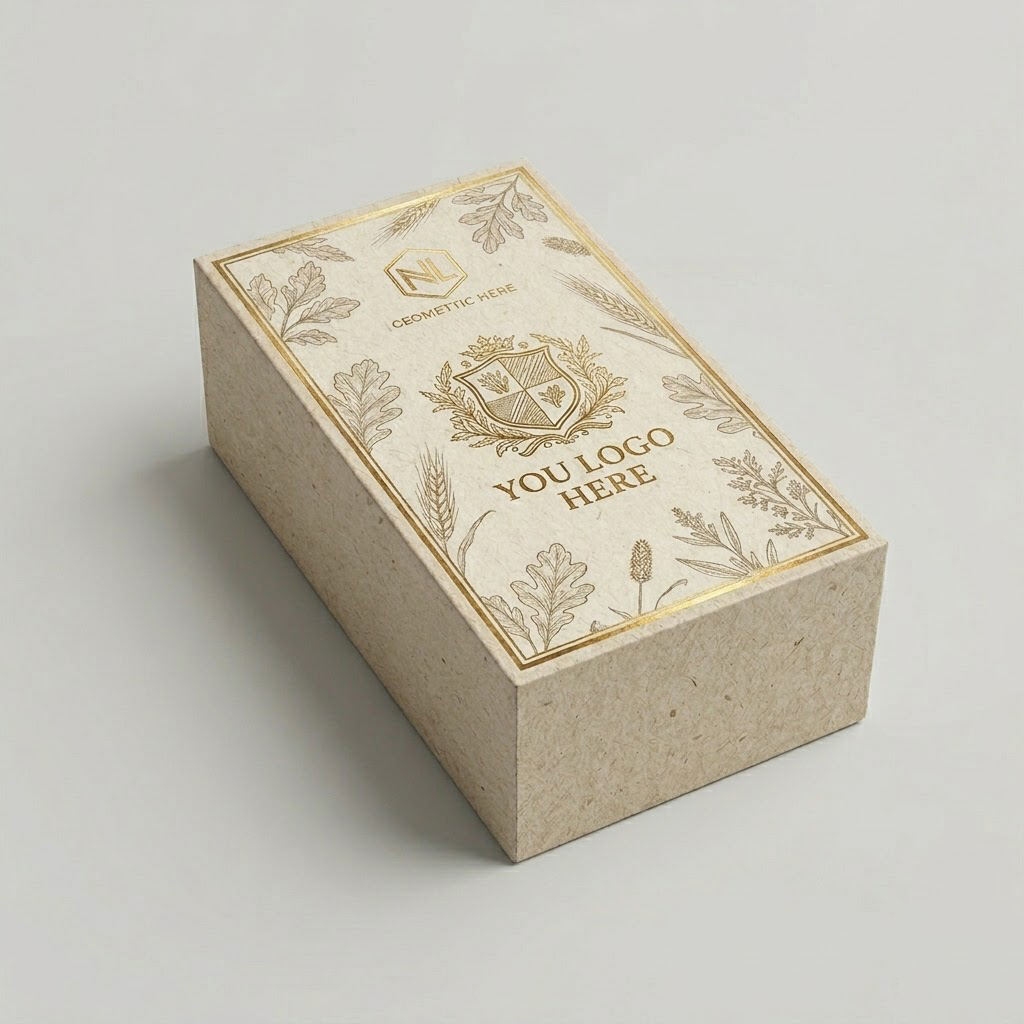
Material choice decides how stiff the box feels, how well the surface takes print, and the overall hand feel of cosmetic box packaging. Dr Box works with greyboard, art paper, kraft paper, and specialty paper. FSC paper options can be considered when they fit the project. Each material should be judged as part of the full structure, including the insert and opening style.
Greyboard and art paper
Greyboard forms the firm shell used in many luxury cosmetic packaging boxes. It works well when serum bottles, cream jars, or multi-piece beauty sets need stable walls and a solid look. Art paper can wrap that shell or form a printed folding carton. It creates a smooth surface for CMYK or Pantone color and detailed graphics.
Kraft and specialty paper
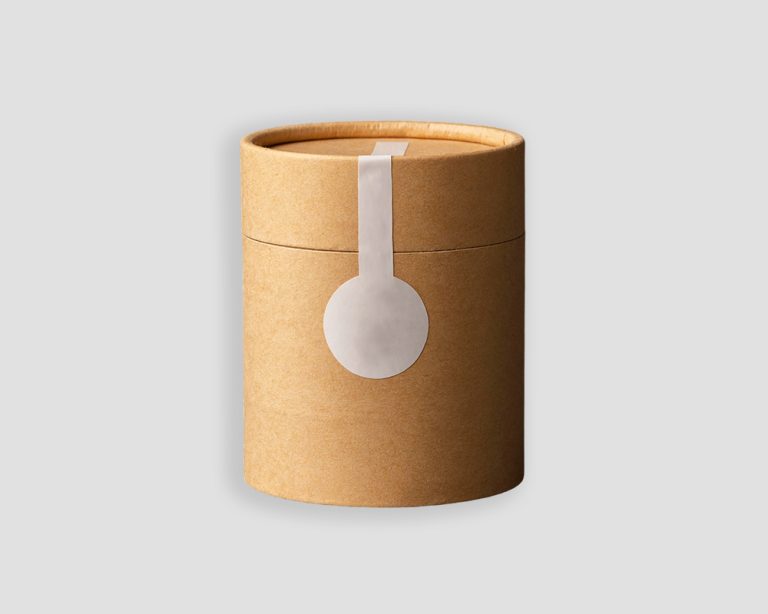
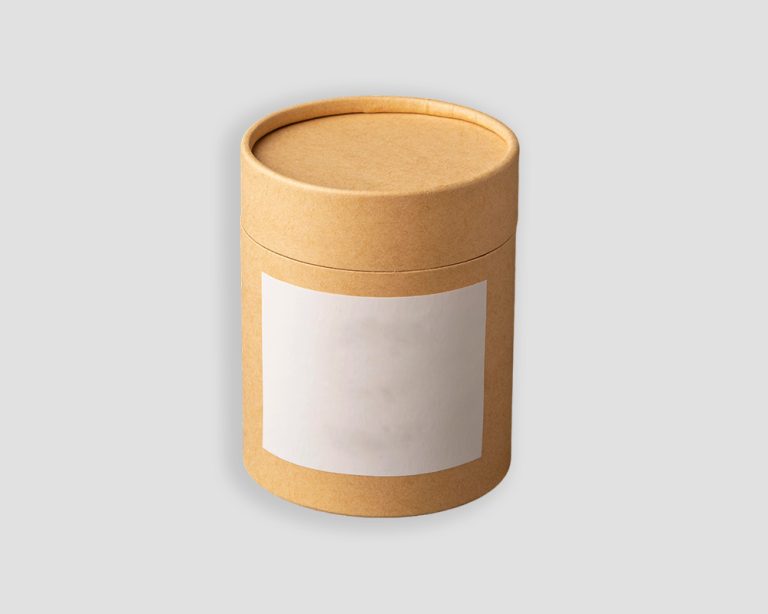
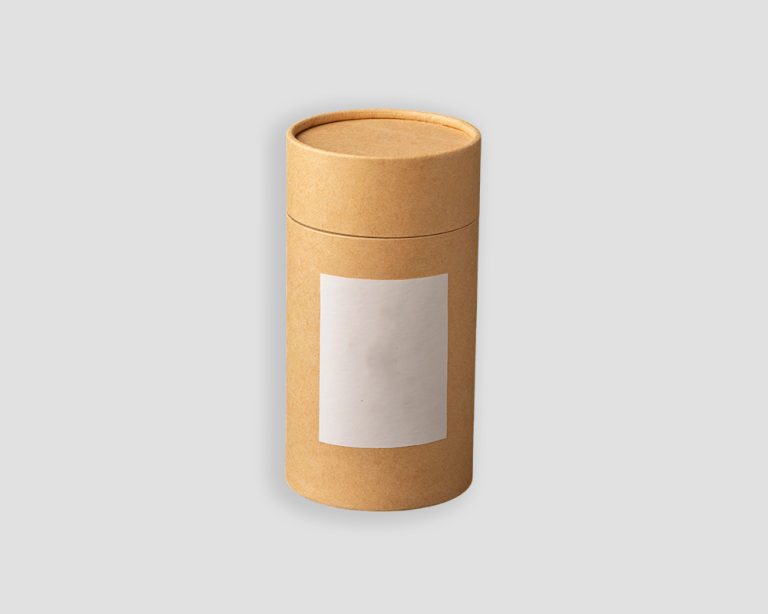
Kraft paper gives a cosmetic paper box a natural, tactile character. It works well when the design relies on simple surfaces rather than high gloss. Specialty paper can add texture, visual depth, or a more distinct touch without many printed elements. Both choices still need clean folds, accurate wrapping, and enough structural support for the product weight.
Inserts for Bottles, Jars, and Beauty Sets
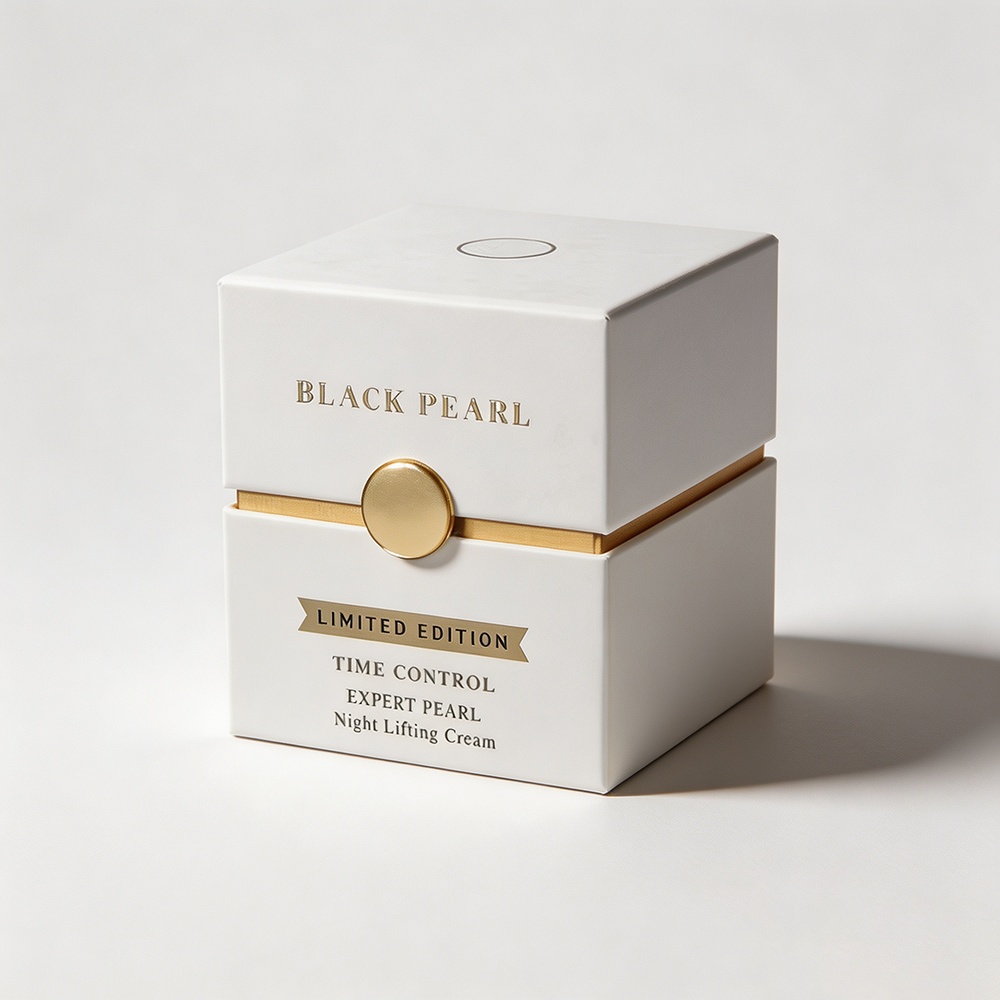
An insert turns a general box into product-specific custom cosmetic packaging. EVA foam, foam, cardboard, molded paper, paper trays, satin, and velvet can all support different presentation goals. The insert should hold the product at its strongest points, leave room for fingers, and stop components from hitting each other when the package is moved.
Serum bottles and cream jars
Cosmetic box packaging for serum bottles needs a close fit around the bottle body while leaving the dropper or pump easy to remove. Cream jars often benefit from a wider, lower cavity that keeps the base level and avoids pressure on the lid. Cardboard or molded paper can create an all-paper presentation, while EVA or foam can provide a more precise cavity for fragile glass.
Beauty gift sets and accessories
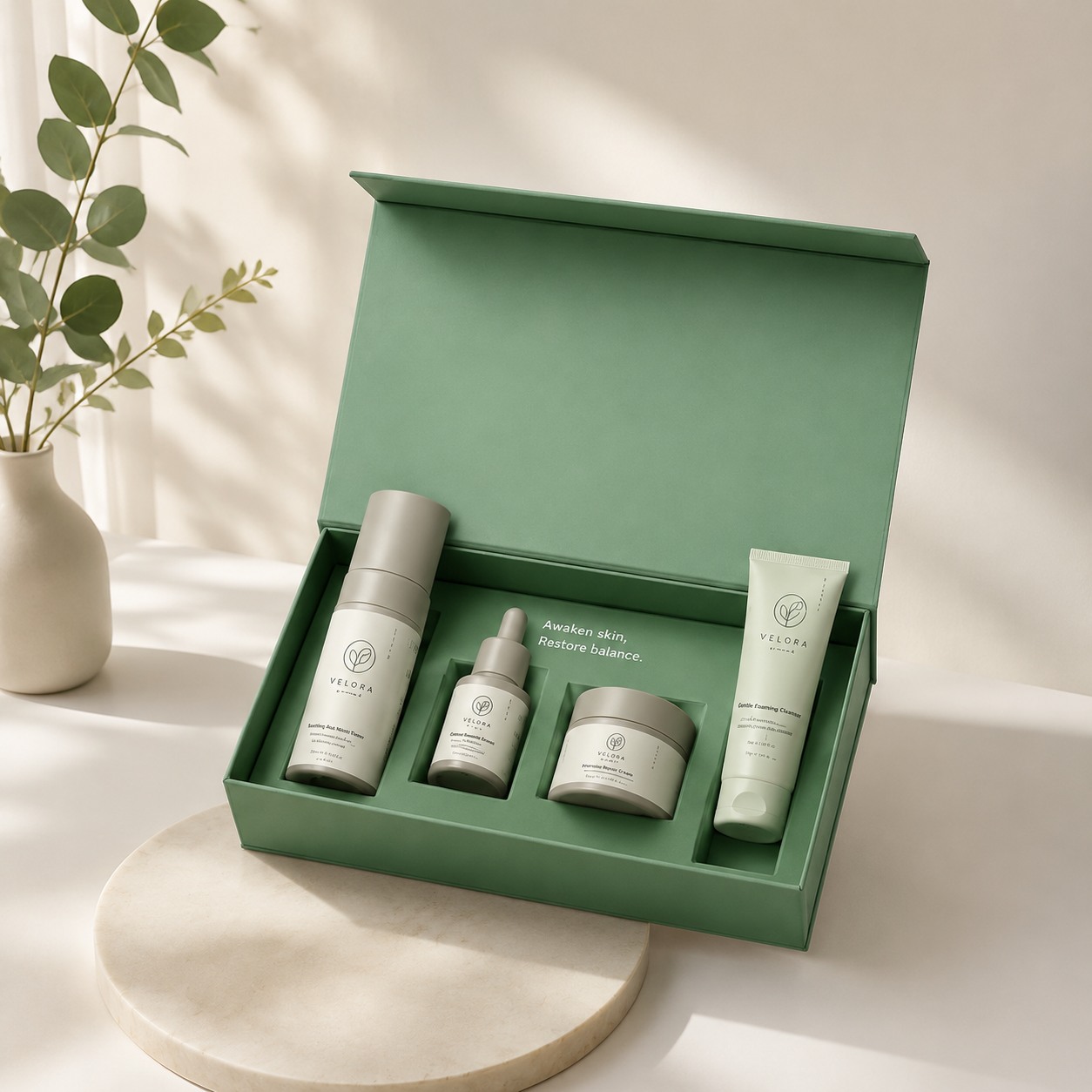
Custom cosmetic packaging for beauty gift sets should establish a visual order before the customer lifts any item. A paper tray can separate masks, tubes, applicators, and small accessories, while satin or velvet can soften the appearance of a premium set. The important detail is spacing. Every piece should feel intentional, not crowded or lost in an oversized cavity.
Finishes That Shape Shelf Appeal
Finishing should clarify the brand hierarchy rather than compete with it. Dr Box supports offset, digital, UV, and screen printing, together with gold or silver foil, embossing, debossing, spot UV, and soft-touch, matte, or gloss lamination. A disciplined combination usually creates a more convincing result than applying several effects to the same focal area.
Foil, spot UV, and embossing
Foil can define a product name or small emblem with a crisp metallic contrast. Embossing and debossing add depth that can be felt before the box opens. Spot UV is useful when a selected graphic needs shine against a matte field. These finishes work best when registration areas are simple and the design leaves enough quiet surface around them.
Matte and soft-touch surfaces
Matte lamination reduces glare and supports a clean skincare aesthetic, while soft-touch lamination creates a warmer, more tactile surface. Gloss lamination can suit brighter color systems or products that benefit from stronger visual contrast. The surface choice should also account for handling, because fingerprints and scuffs are more noticeable on some dark or highly polished finishes.
Choosing the Right Cosmetic Box Structure
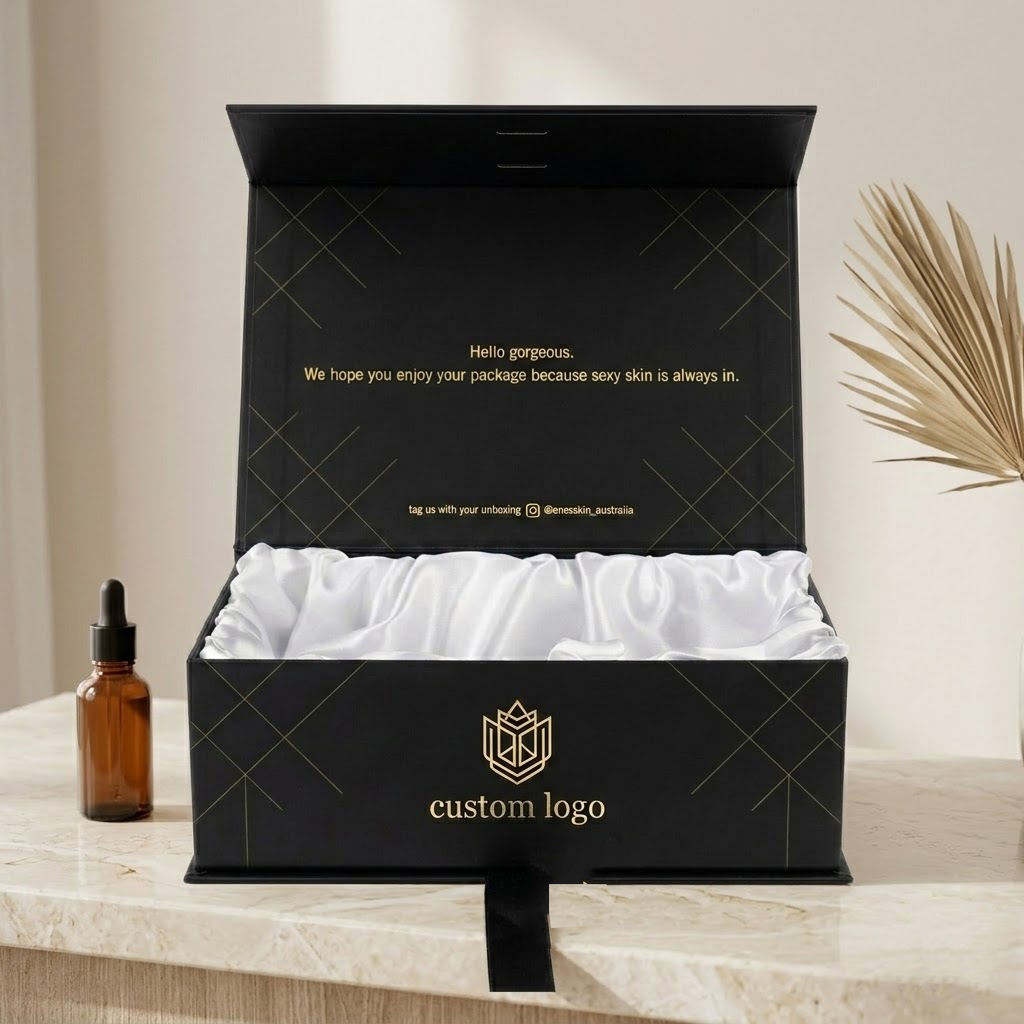
The best structure follows the product journey from storage to opening. Magnetic closure boxes create a deliberate reveal. Drawer boxes introduce a sliding motion. Book-style boxes provide a wide presentation surface. Lift-off lid boxes offer direct access. Folding boxes reduce bulk and can suit lighter products or secondary packaging where a rigid shell is unnecessary.
Magnetic boxes for premium skincare
A magnetic box is a strong option for skincare packaging boxes that combine a hero bottle with supporting items. The hinged opening keeps the contents visible as one composition and gives space for a fitted insert. It should be selected for the experience it creates, not simply because the closure feels premium.
Drawer and folding boxes
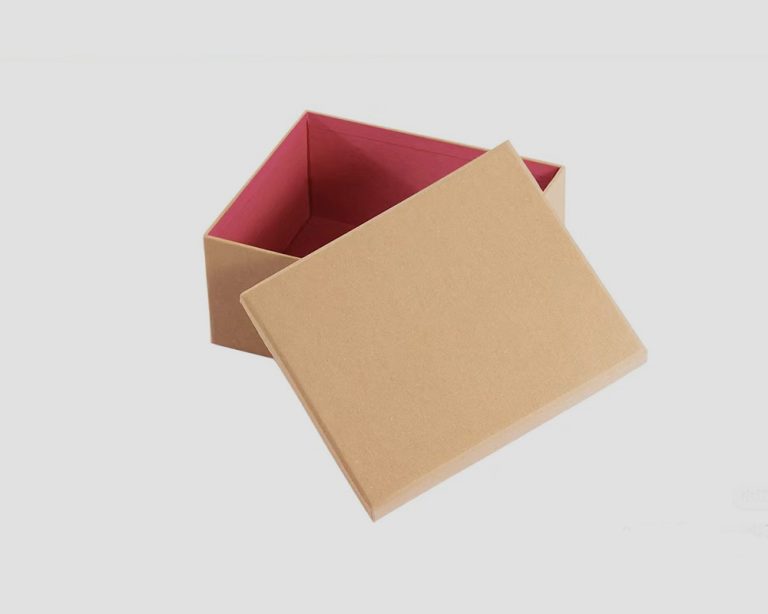
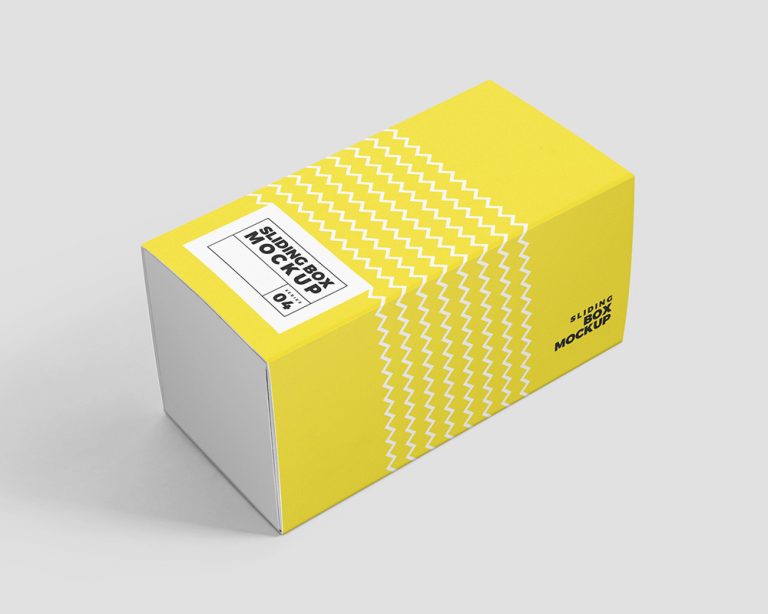
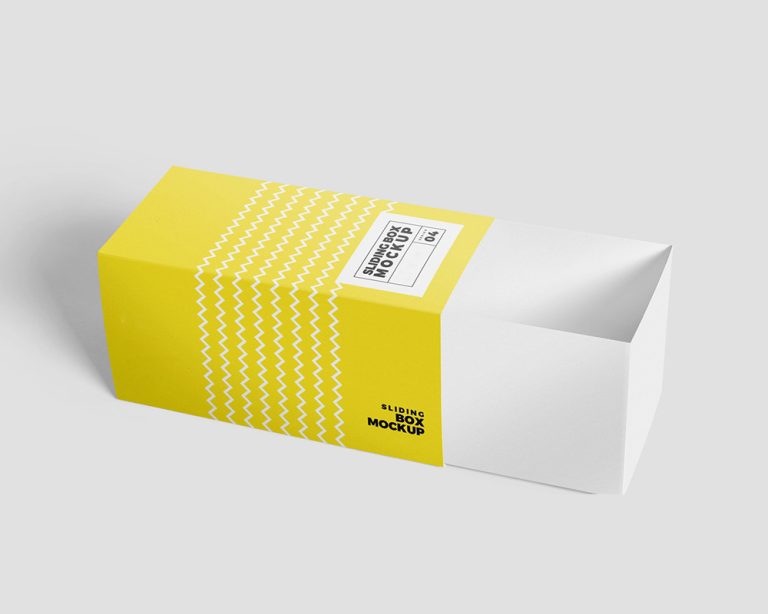
Drawer boxes work well when the product should appear gradually. A foldable cosmetic packaging box can provide a lighter structure with a broad printable surface. For either format, the inner dimensions must follow the product and insert. Designing the exterior first can leave too much movement or make removal awkward.
How Dr Box Supports Packaging Decisions
Dr Box can align box structure, paper choice, insert material, printing, and finishing around a single packaging concept. A useful project brief includes the product dimensions, weight, opening direction, number of components, color requirements, and preferred surface feel. These inputs help keep visual ambition connected to a structure that can be handled naturally.
For eco-friendly cosmetic paper box packaging, the material conversation should include the whole package rather than the outer paper alone. An all-paper insert may simplify material separation, while a reusable rigid structure may support a different brand objective. The right decision depends on the product, expected use, and presentation priorities.
Conclusion
Custom cosmetic packaging creates value when every layer serves the beauty product. The board provides structure. The insert controls movement. The print builds recognition. The finish guides attention. Dr Box brings these choices together so cosmetic packaging boxes can protect delicate formats and present them with clarity. The strongest result is not the box with the most effects, but the one whose material, fit, and opening experience all tell the same story.
Contact us to develop custom cosmetic packaging options that fit your products and presentation goals.
FAQ
Q: What is the best material for custom cosmetic packaging?
A: The best material depends on product weight, fragility, printing needs, and the desired hand feel. Greyboard suits rigid premium boxes. Art paper supports detailed printing. Kraft paper creates a natural look. Specialty paper adds texture. The insert and outer structure should be evaluated together rather than selecting the wrap paper in isolation.
Q: Which insert works best for serum bottles?
A: A serum bottle insert should hold the bottle body securely, protect the glass, and leave the dropper easy to grasp. EVA or foam can create a precise cavity. Cardboard, paper trays, or molded paper support a paper-focused presentation. The final choice depends on bottle shape, weight, removal space, and the visual direction of the box.
Q: Are magnetic boxes suitable for beauty gift sets?
A: Magnetic boxes can suit beauty gift sets because the hinged lid presents several items together and remains open during the reveal. They work especially well with fitted inserts for jars, bottles, masks, or accessories. A drawer or lift-off lid box may be better when the brand wants a different opening motion or a more compact footprint.