Perfume box packaging should protect a fragile glass bottle, keep it stable through handling, and create an opening experience that matches the fragrance position. The structure comes first: a close-fitting insert, firm board, and practical removal space matter more than decoration alone. Once that foundation works, paper, printing, foil, embossing, and lamination can build the sensory character expected from luxury perfume boxes.
What Makes Perfume Box Packaging Work
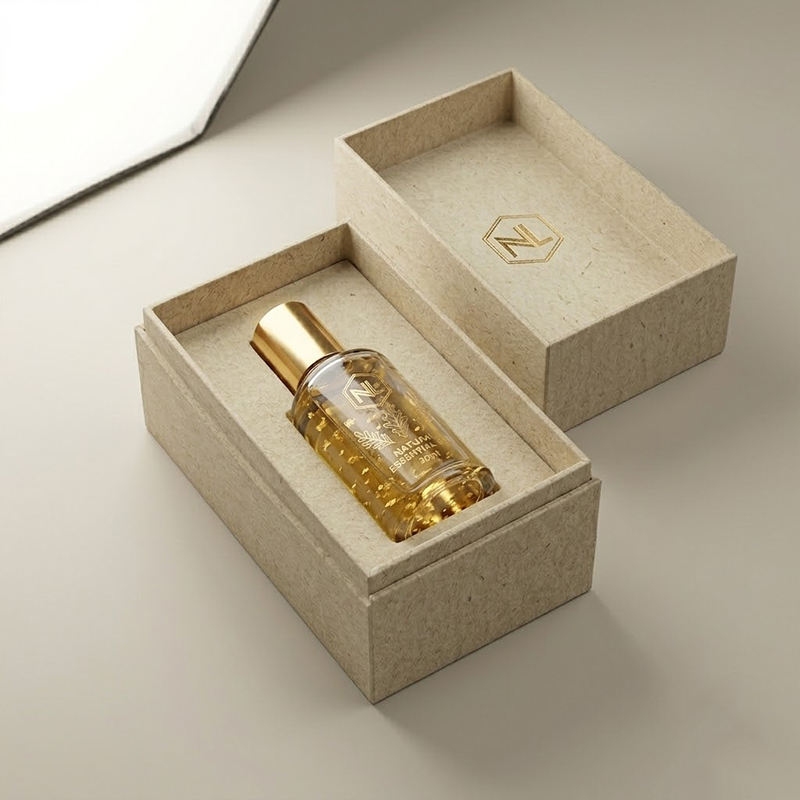
A fragrance pack has two simultaneous jobs. It must limit bottle movement and protect vulnerable areas such as shoulders, caps, and decorative closures, while also presenting the bottle as the center of the composition. The box should open smoothly, hold its shape, and let the customer remove the bottle without pulling against the insert.
For premium projects, Dr Box luxury rigid box structures provide a useful starting point because rigid walls can support fitted inserts and controlled opening styles. The final structure should still be designed around the bottle profile, not around a standard box chosen in advance.
Structure Comes Before Decoration
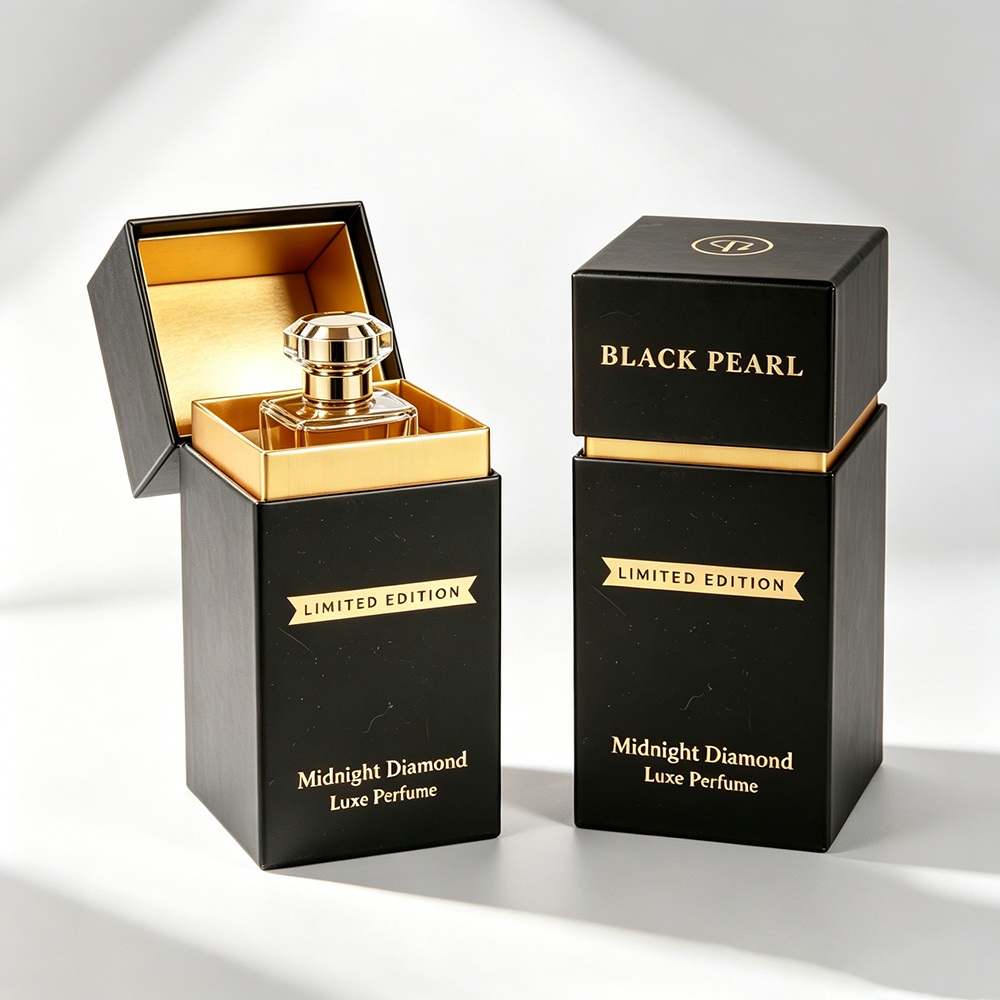
Perfume bottles vary widely in height, base shape, cap weight, and center of gravity. Perfume box packaging for fragile glass bottles therefore begins with accurate product dimensions and a clear decision about how the bottle will sit. Upright presentation creates a familiar shelf reveal, while a horizontal layout can support discovery sets or multiple small bottles.
Magnetic closure boxes
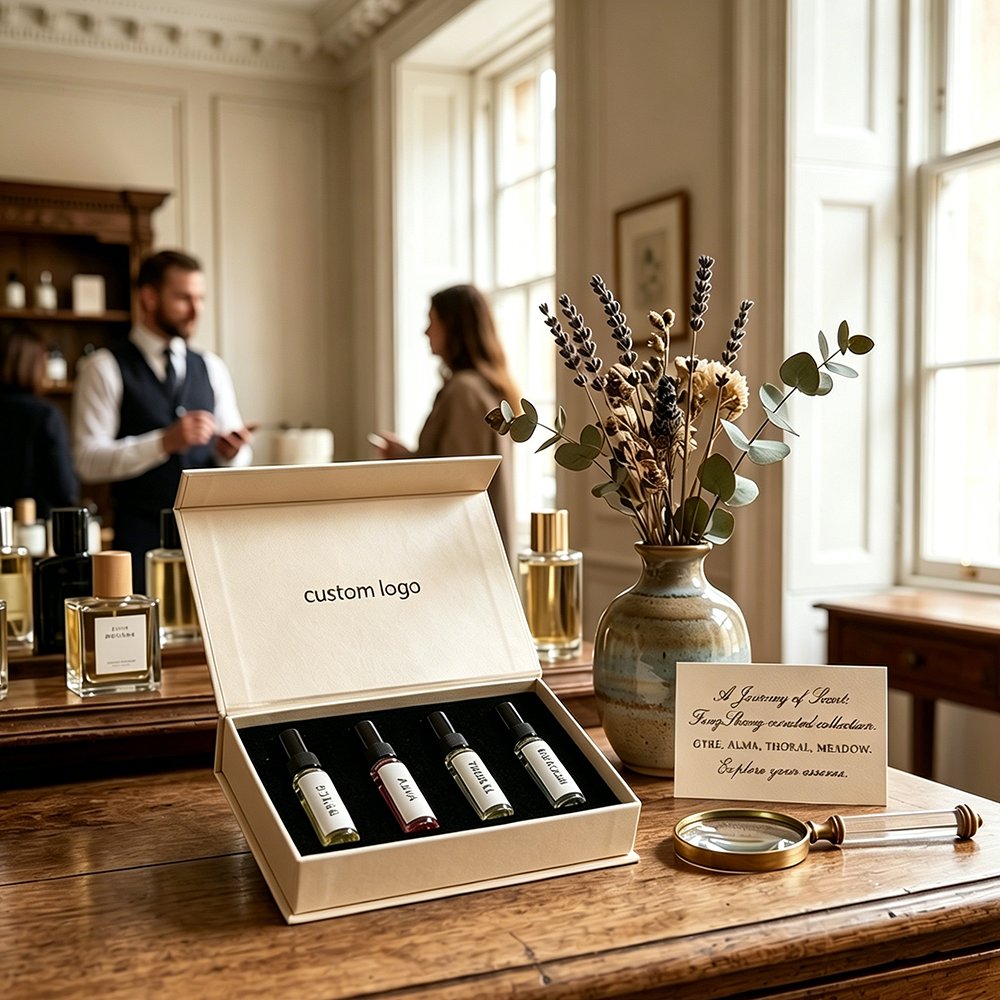
A magnetic perfume box creates a book-like reveal and keeps the lid connected to the base. This structure suits fragrance gift sets when the bottle and accessories should remain visible together after opening. The magnet supports the closing experience, but protection still depends on the greyboard shell and a fitted insert that controls the bottle.
Drawer and book-style boxes
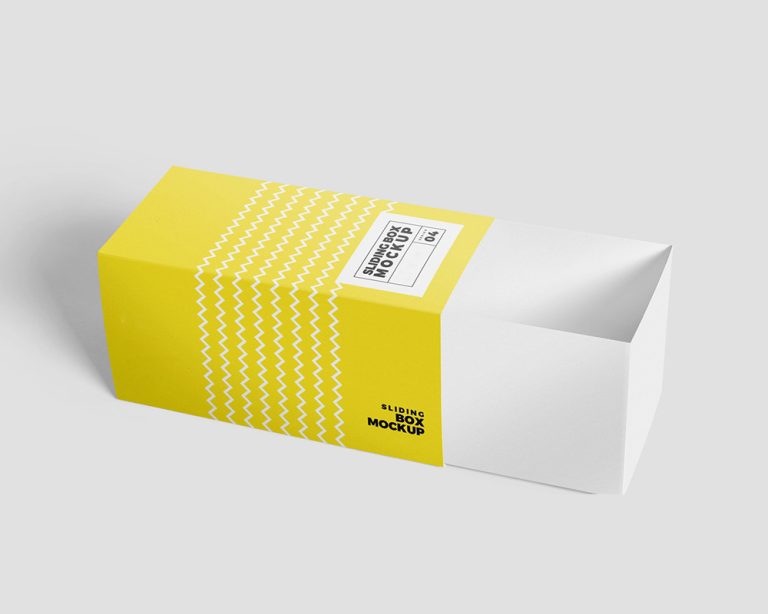
A drawer perfume box introduces a slower reveal and gives the inner tray its own visual role. A drawer box can be paired with a rigid sleeve and a product-specific insert, while book-style boxes offer a broad inside surface for a fragrance story. Pull tabs and finger access should feel natural and should not force the customer to tilt the bottle.
Inserts for Fragile Fragrance Bottles
An insert is the main interface between a glass bottle and its perfume packaging boxes. EVA foam, foam, cardboard, molded paper, paper trays, satin, and velvet offer different balances of fit, texture, and material character. A good insert supports the bottle body, leaves clearance around delicate decoration, and provides enough space for fingers to lift the product safely.
EVA and foam inserts
Luxury perfume boxes with EVA inserts can create a precise cavity for unusual bottle shapes or heavier glass. Foam also absorbs small movements and can be wrapped or layered to refine the presentation. These materials are useful when fit precision is the main concern, though the cavity should never press tightly against a cap, atomizer, or fragile surface detail.
Molded paper and cardboard inserts
Molded paper and cardboard inserts provide a paper-based route for custom perfume boxes and can create clean support zones around the bottle. Cardboard can be folded into platforms, collars, and compartments for discovery sets, while molded paper follows a more contoured form. Their suitability depends on bottle weight, shape complexity, and the level of surface refinement required.
Materials for Fragrance Presentation
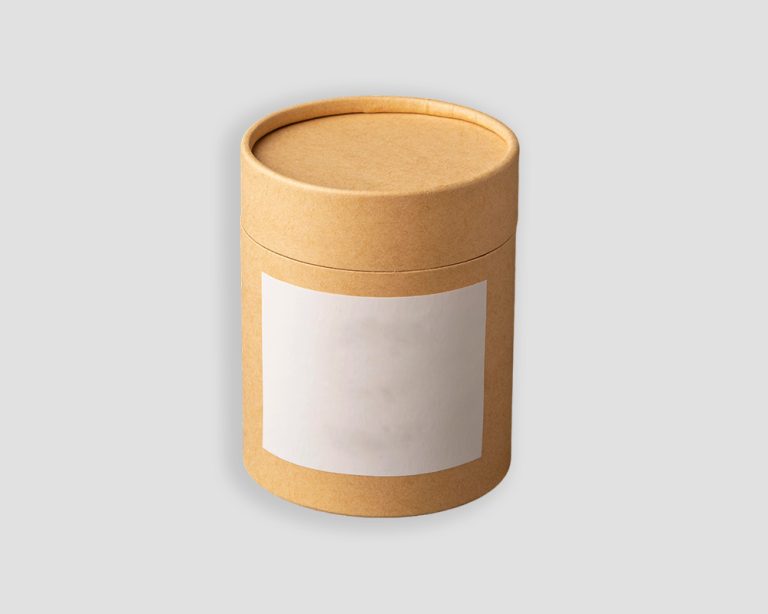
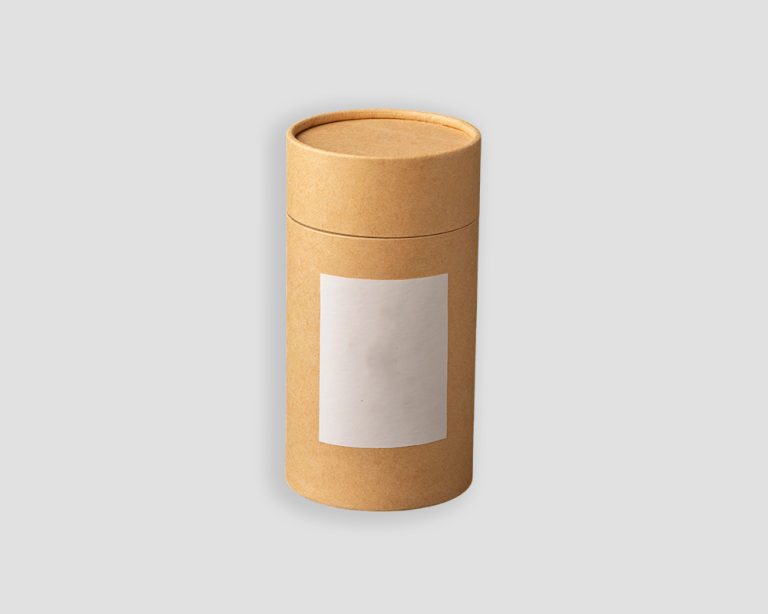
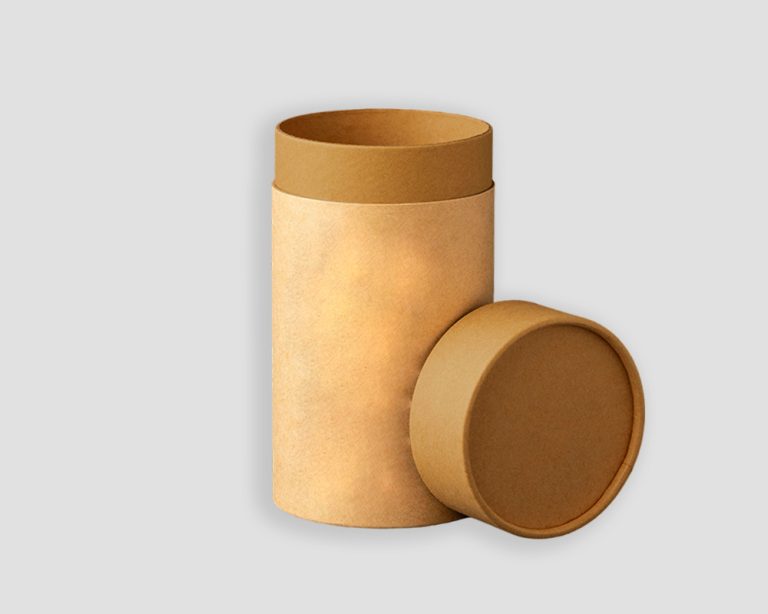
Greyboard gives rigid perfume box packaging its firm walls and substantial hand feel. Art paper can wrap the board with a smooth printing surface, kraft paper can create a quieter natural character, and specialty paper can introduce texture. Material selection should account for both the external brand expression and how cleanly the paper wraps corners, hinges, and drawer sleeves.
Greyboard strength and proportion
The board should feel balanced with the bottle rather than unnecessarily heavy. A tall bottle needs stable wall geometry and an insert that prevents top movement, while a wide bottle needs strong base support. Good proportions also reduce the chance that a small fragrance bottle looks lost inside an oversized presentation box.
Specialty wrap papers
Specialty paper can give perfume packaging boxes a tactile identity before any foil or embossing is added. Fine texture works well for restrained fragrance collections, while smoother art paper supports detailed color and sharp printed graphics. Dark papers and soft-touch surfaces should be assessed for visible fingerprints, edge wear, and the contrast required for small typography.
Finishes for Luxury Fragrance
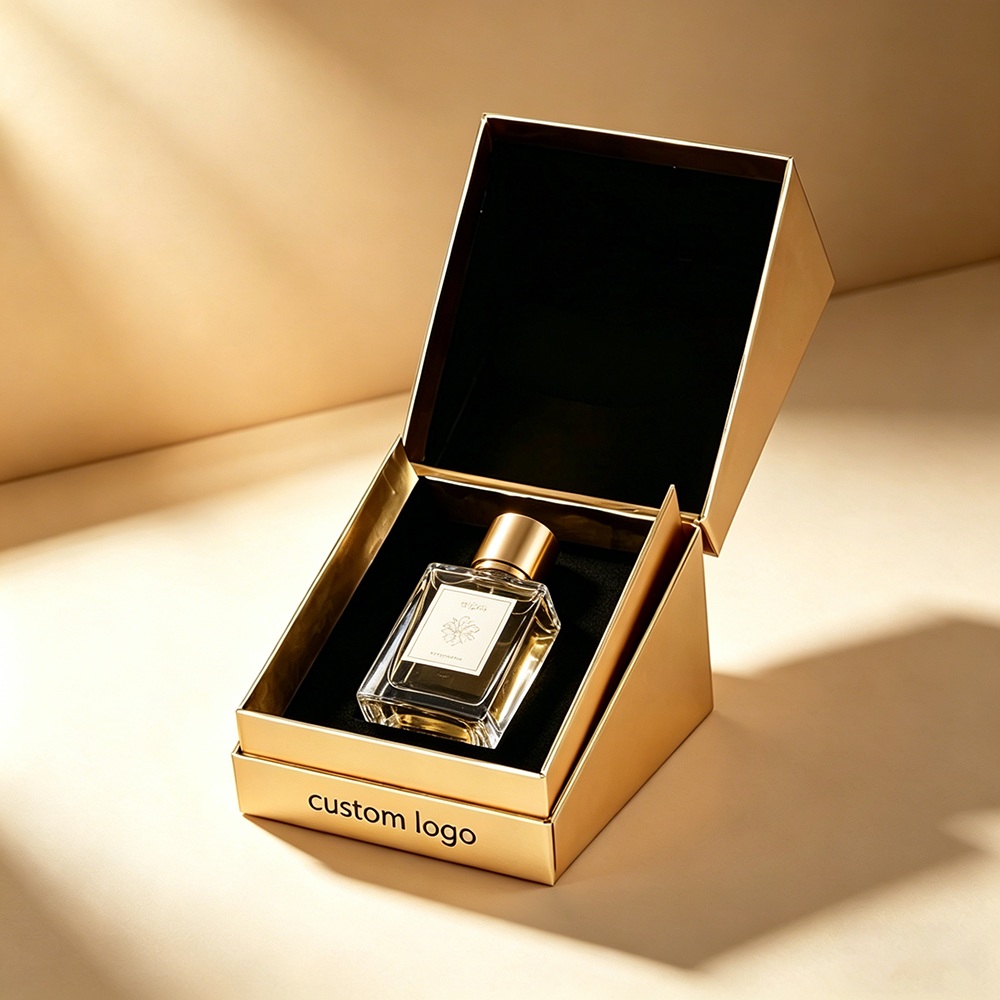
Finishes should focus attention on the fragrance name, emblem, or a controlled visual motif. Dr Box supports CMYK and Pantone colors with offset, digital, UV, or screen printing, plus gold or silver foil, embossing, debossing, spot UV, and matte, gloss, or soft-touch lamination. The strongest combination depends on the paper surface and the amount of contrast the design needs.
Foil and embossing
Foil gives a crisp reflective accent that can make a small fragrance name more legible against a quiet field. Embossing raises selected details, while debossing presses them into the surface for a subtler tactile effect. On perfume packaging, these finishes are most convincing when they reinforce one focal point rather than cover every panel.
Soft-touch and matte lamination
Soft-touch lamination creates a warm hand feel that suits intimate, premium unboxing, while matte lamination supports a clean surface with reduced glare. Gloss can provide stronger color saturation and a brighter retail presence. Each surface should be considered with the opening motion because the customer touches the lid, sleeve, or drawer repeatedly during use.
Choosing a Structure for Each Fragrance Format
A single bottle, discovery set, and fragrance gift set should not share the same structural assumptions. Custom perfume boxes for discovery sets need ordered compartments and easy access to small vials. A magnetic perfume box for fragrance gift sets can present multiple elements at once, while a drawer perfume box for premium unboxing creates a more gradual reveal.
Dr Box can coordinate structure, insert material, wrap paper, printing, and finish so the package behaves as one system. A useful design brief identifies bottle dimensions, cap profile, total weight, presentation direction, accessories, opening preference, color targets, and surface feel. Those details make it easier to compare structures on function as well as appearance.
Conclusion
Perfume box packaging earns its luxury character through control: the bottle remains stable, the insert supports safe removal, the structure opens with intention, and the finishes direct attention without clutter. Dr Box can bring these elements together in custom perfume boxes for single bottles, discovery sets, and fragrance gifts. When protection and presentation are designed at the same time, the package feels worthy of the scent rather than separate from it.
Explore perfume box packaging structures from Dr Box to match your bottle shape, insert needs, and preferred reveal.
FAQ
Q: What is the best box structure for a luxury perfume bottle?
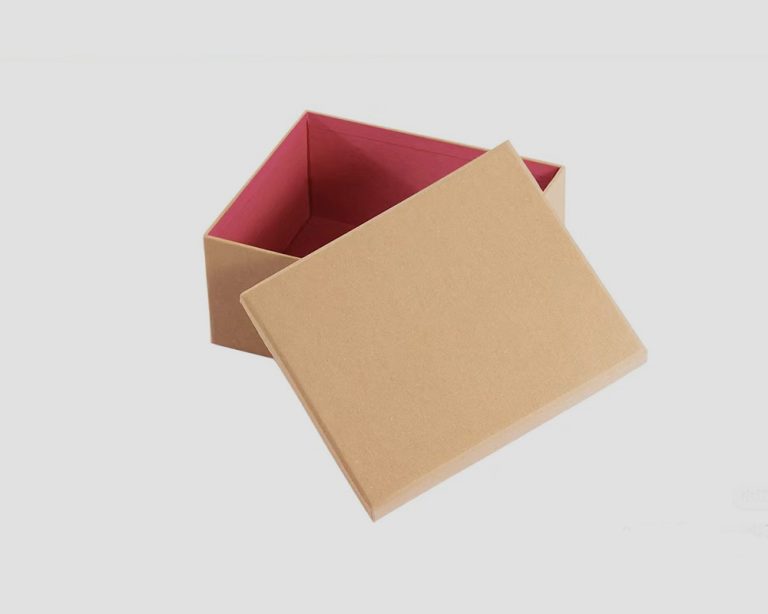
A: The best structure depends on bottle weight, shape, presentation direction, and the intended reveal. Magnetic boxes suit a book-like opening, drawer boxes create a gradual presentation, and lift-off lid boxes provide direct access. In every case, a fitted insert and stable board construction matter more than the closure style alone.
Q: Which insert is suitable for fragile glass perfume bottles?
A: EVA or foam can provide a precise cavity for heavy or unusually shaped bottles, while cardboard, paper trays, and molded paper support paper-based structures. The insert should hold the bottle body, leave clearance around the cap and atomizer, and include practical finger space. Selection should follow the bottle geometry and presentation goals.
Q: Can perfume box packaging hold discovery sets?
A: Yes. Discovery sets work well in drawer, book-style, magnetic, or lift-off lid boxes when the insert gives each vial an ordered compartment. Cardboard or molded paper can separate the samples, while foam can provide tighter cavities. The layout should make every vial easy to remove without allowing adjacent pieces to collide.
Q: Which finishes create a premium fragrance presentation?
A: Matte or soft-touch lamination can establish a refined base surface, while foil, embossing, debossing, or spot UV can emphasize a fragrance name or visual motif. Gold and silver foil create reflective contrast; embossing adds tactile depth. Premium results usually come from controlled hierarchy and careful registration, not from using every finish at once.