A gift box packaging system feels complete when every format performs a clear role: the rigid box protects and presents the product, the paper bag carries the purchase, and the paper tube gives selected products a distinctive alternative to a rectangular pack. Connecting these pieces through color, paper feel, printing, and opening behavior helps a brand create one recognizable experience across retail, gifting, and delivery.
The goal is not to use every format for every product. A better approach is to map the customer journey and assign each package a job. Dr Box offers Luxury Rigid Boxes, Paper Bags, Paper Tube, Foldable Boxes, Folding Carton Boxes, Drawer Box, and other paper packaging formats that can be coordinated around that journey.
Start With the Brand Moment
Define what the customer sees first
A packaging system begins before the box is opened. In a store, the paper bag may be the first visible brand surface. In a direct shipment, the outer box may create the first impression, while the rigid gift box becomes the central presentation object. The visual system should therefore work at several distances: from a small logo on a handle bag to a full pattern on a box lid or tube.
The same brand does not need one identical structure everywhere. It needs recognizable signals. A shared color family, a consistent type treatment, a repeated line detail, or a common paper texture can connect formats while allowing each product to retain the structure that suits it.
Use the rigid box as the presentation anchor
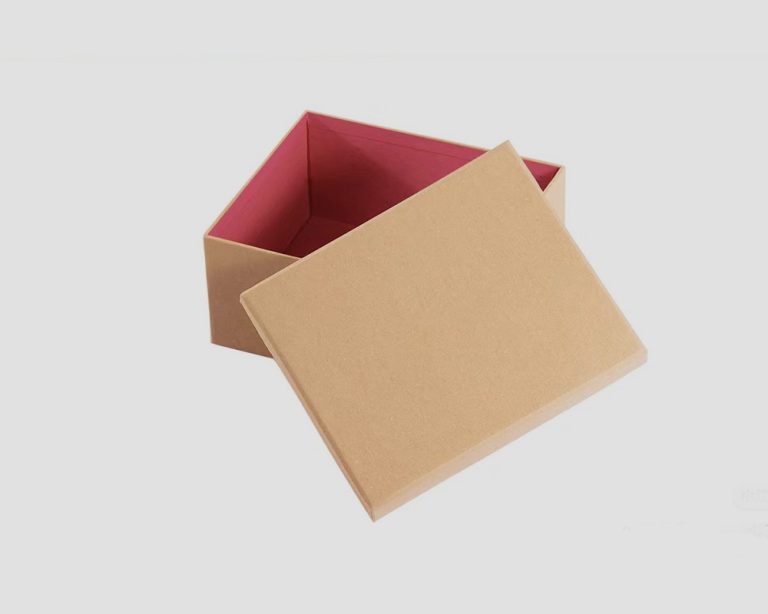
Dr Box describes Luxury Rigid Boxes as pressure and drop resistant and suitable for valuable items. That makes the rigid box a natural anchor for a premium gift system, especially when the product should remain protected and the package is expected to stay with the recipient after opening. Inserts, trays, and internal spacing can organize a single item or a mixed gift set.
A rigid box also provides a stable platform for the brand’s most important finish. The lid can carry the primary mark or pattern, while the interior can reinforce the experience through a coordinated tray, a printed message, or a restrained contrast between outer and inner papers.
Connect the Paper Bag to the Gift Box
Treat the bag as the carry stage
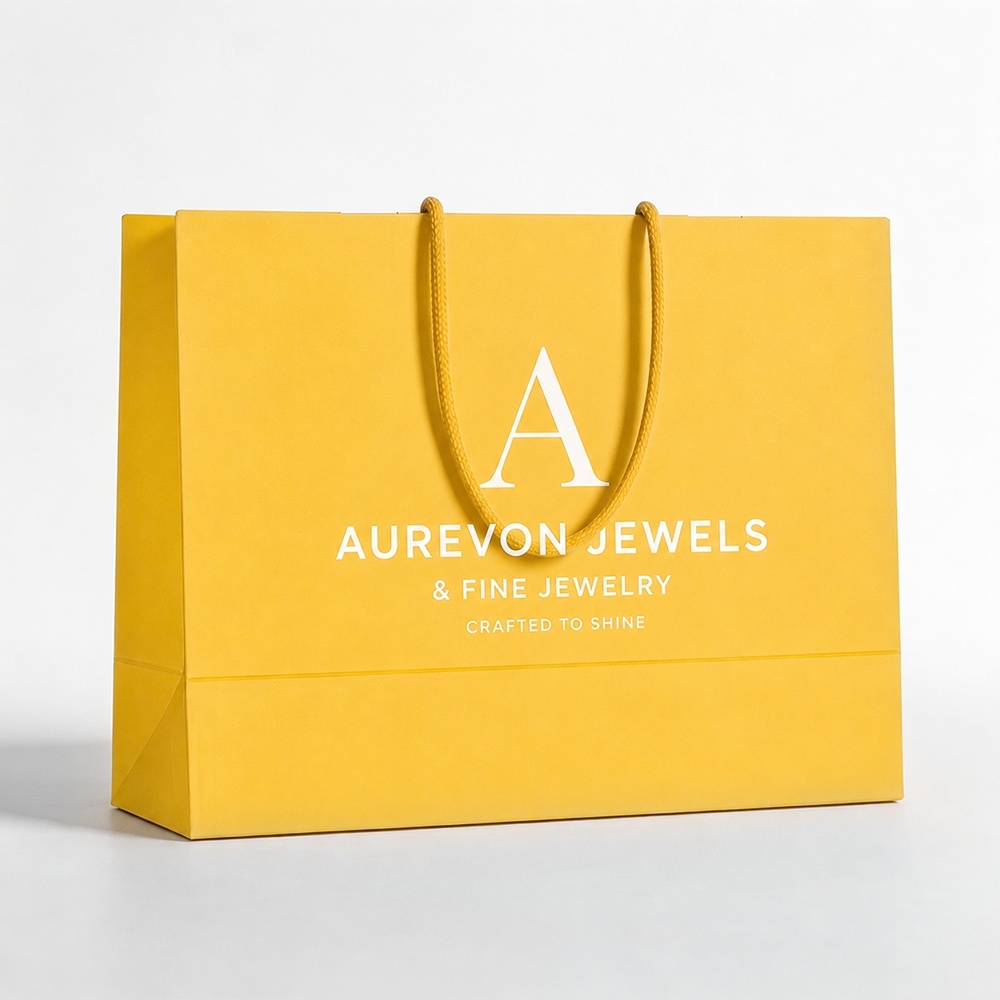
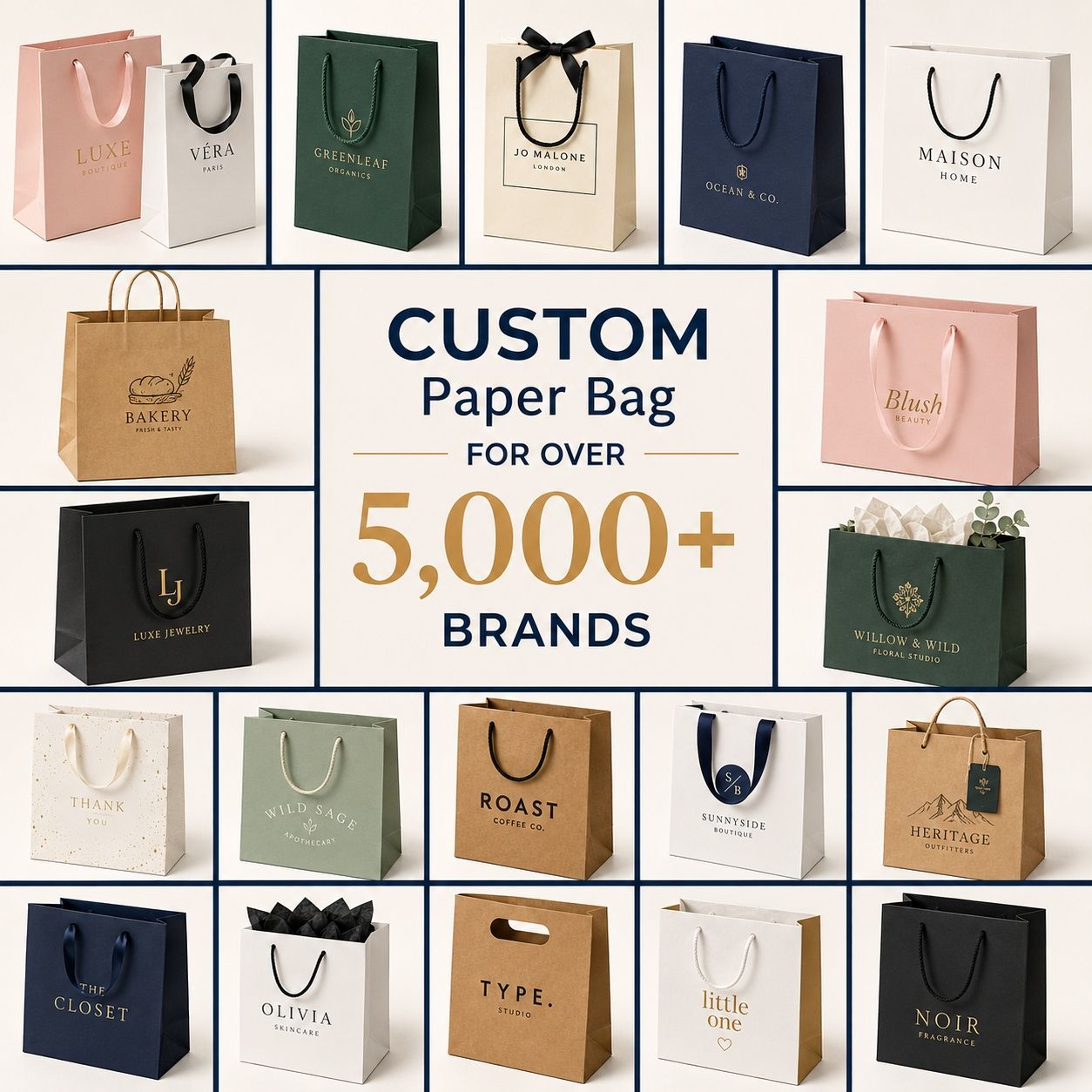
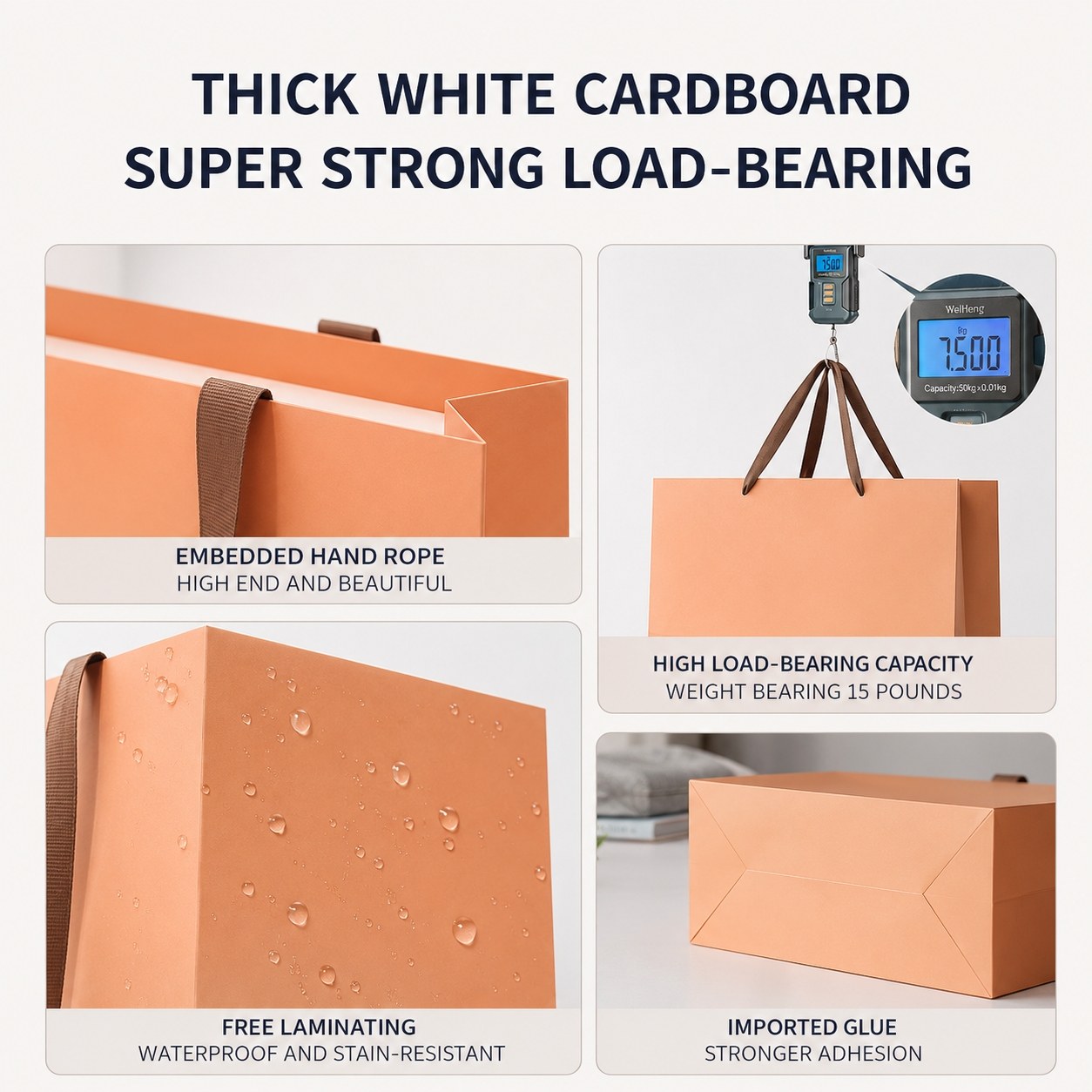
Paper bags serve a different function from rigid boxes. Dr Box describes them as suitable for shopping, gifts, takeout, clothing, and food packaging, so the useful design question is how the bag carries the product comfortably while extending recognition outside the store or gifting space. Proportion, handle attachment, opening width, and base stability all affect how the customer experiences the package in hand.
A bag that is too small can press against the box and damage the presentation. A bag that is too large can allow the box to move and make the overall experience feel careless. Matching the bag to the finished gift box helps protect the pack while keeping the visual relationship intentional.
Repeat the identity without copying every detail
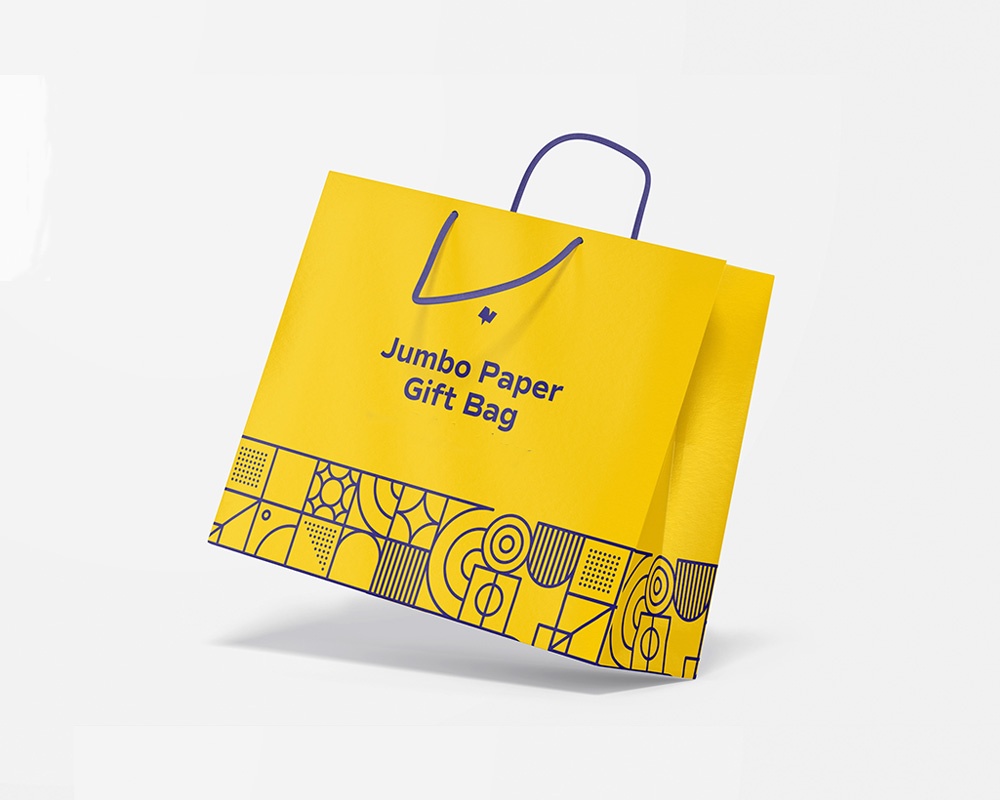
The bag does not need to reproduce the entire artwork of the rigid box. It can use a simpler mark, a single-color print, a coordinated handle, or the same surface tone. This restraint is useful because a carry bag is viewed from different angles and is handled more often than the presentation box.
Dr Box Paper Bags can therefore act as the mobile part of a gift packaging system. They make the brand visible after purchase while leaving the rigid box free to focus on the reveal inside.
Give Paper Tube Packaging a Distinct Role
Use the cylinder when shape adds meaning
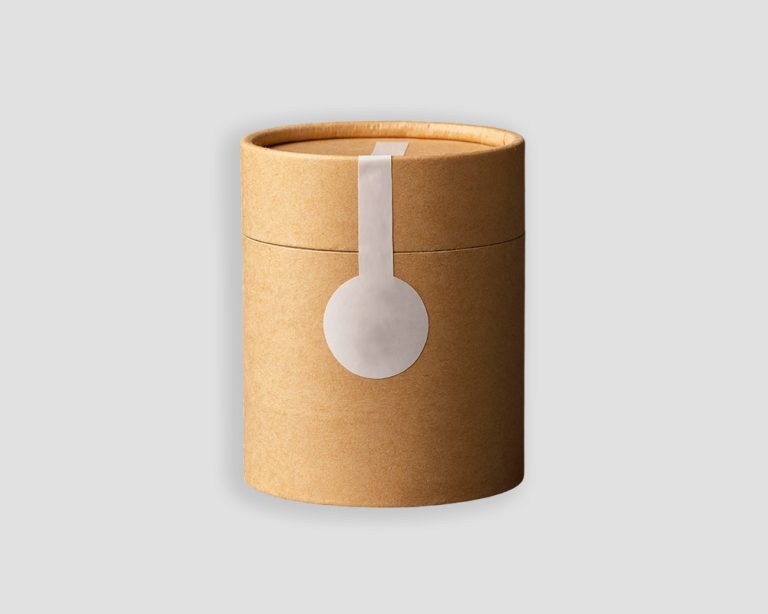
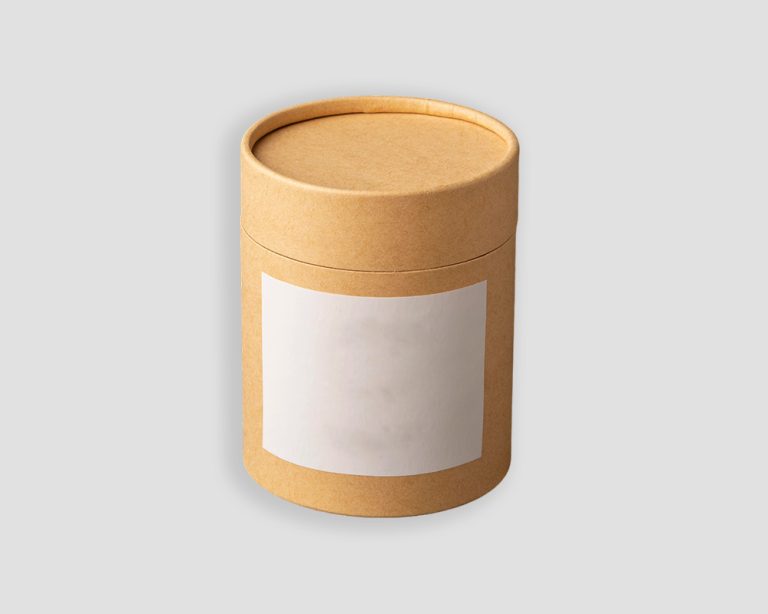
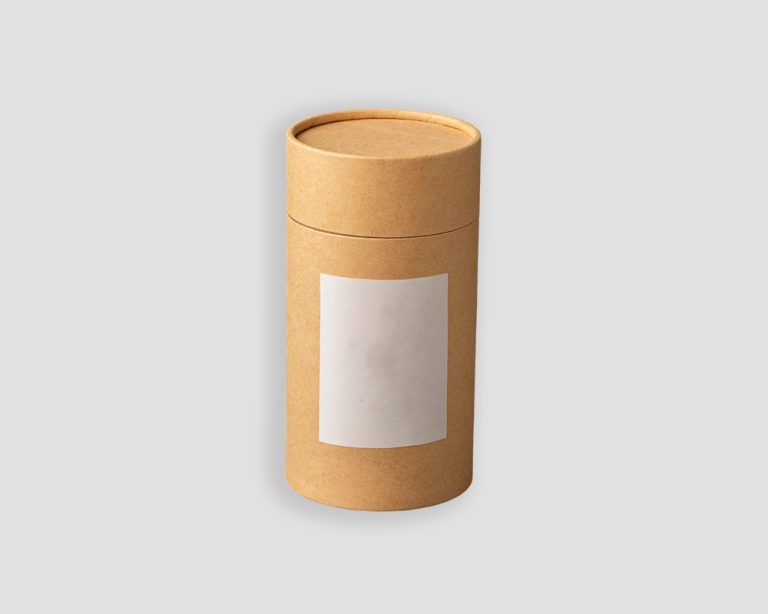
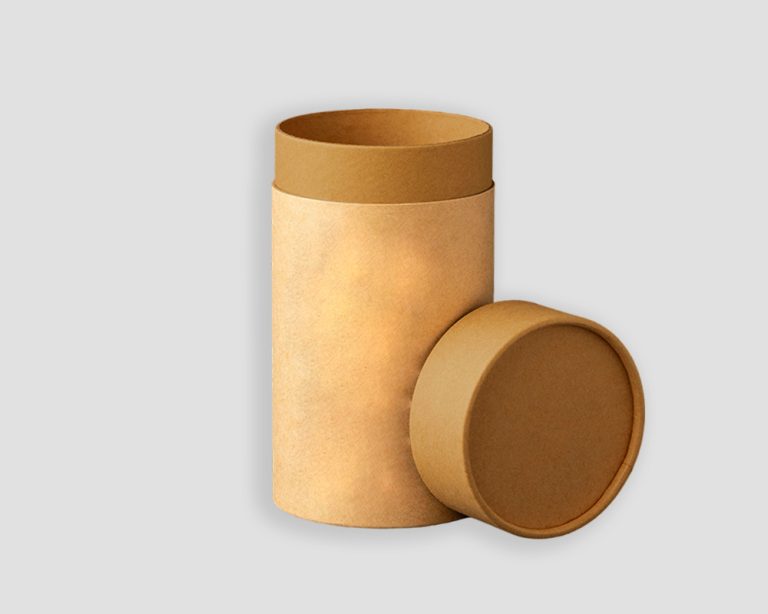
Paper tube packaging is valuable when the product benefits from a cylindrical silhouette or a compact, layered structure. Dr Box describes Paper Tube as sturdy, lightweight, and environmentally friendly. The form can help a tea collection, candle, cosmetic item, or gift product stand apart from standard rectangular packaging, provided the diameter and height are appropriate for the item.
A tube also changes how the customer handles the package. The round wall invites turning and inspection, while a separate lid or fitted top can create a short opening ritual. This makes the tube useful as a focused format within a wider range rather than a replacement for every box in the system.
Keep the tube connected to the wider range
A tube can share the rigid box’s color, logo placement, or print detail without copying its proportions. For a seasonal collection, the same artwork family may appear on the box lid, the tube wrap, and the paper bag front panel. The customer then recognizes the collection even when the structures are different.
Explore the Paper Tube format when a product needs a lightweight cylindrical package with a clear visual identity.
Build the System Around Real Use
Separate presentation from transport
A gift box packaging system should account for the distance between production, fulfillment, retail, and the customer’s home. The rigid box may be the presentation layer, while a corrugated box, airplane box, or other outer package handles transport. The paper bag may be added at retail, and the tube may be used for a related item that sits beside the main gift.
This separation prevents one package from carrying every burden. A presentation box can stay focused on fit and finish, while the shipping layer can be chosen for the order size and handling route. The result is usually easier to pack and easier for the customer to understand.
Design for mixed gift sets
Gift sets often combine items with different sizes, weights, and shapes. The box interior should decide where each item sits, how the recipient sees the set, and how the pieces can be removed without disturbing the rest. A bag should allow the completed box to remain upright, while a tube can package a smaller companion product without creating visual clutter.
The more varied the set, the more valuable a physical sample becomes. Test the complete arrangement rather than judging each component separately. The relationship between the bag, rigid box, tube, insert, and any outer shipper is what the customer ultimately experiences.
Unify Materials, Printing, and Finishing
Choose one visual hierarchy
A strong system usually has one primary brand signal and several supporting details. The rigid box might receive the most refined finish, the paper bag a simpler printed mark, and the tube a pattern or label treatment that makes its round surface easy to recognize. Dr Box describes Folding Carton Boxes as suitable for offset printing, hot stamping, and UV coating, giving brands useful references for building a broader print and finish language.
Finishing should support the structure. A tactile paper on the box can make the lid feel substantial, a practical bag surface can improve handling, and a controlled print area on the tube can avoid distortion around the curve. The best result is not the greatest number of effects, but the clearest relationship between material, form, and brand position.
Review the customer journey as one sequence
Open the system in the order a customer will encounter it. Check the bag first, then the box, then the insert and product. If a tube is part of the set, confirm that its size and placement feel intentional. Look for repeated signals, awkward transitions, excessive empty space, or details that disappear when the package is held in one hand.
This review can also reveal where the system is overbuilt. A premium experience does not require a rigid box, a bag, a tube, multiple cards, and several finishes in every order. The right combination depends on the product, channel, gift occasion, and the role each package is expected to perform.
How Dr Box Helps Coordinate Packaging Formats
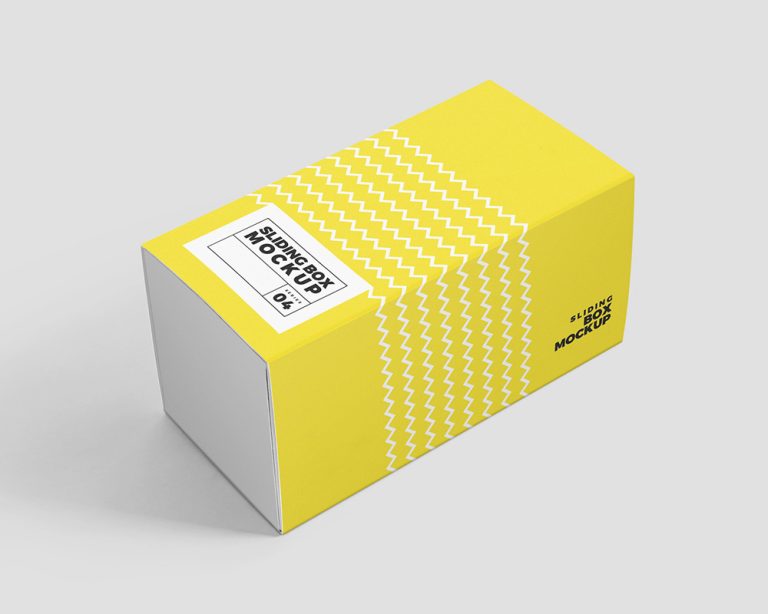
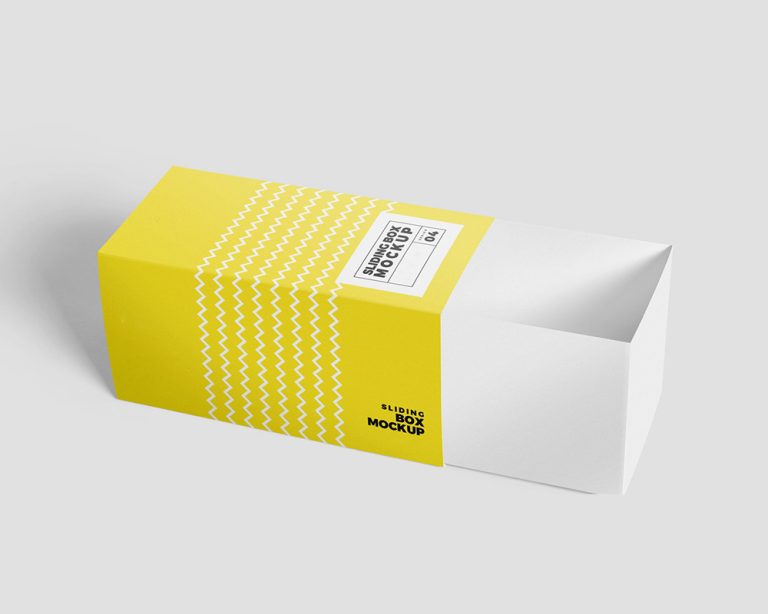
Dr Box provides a broad set of custom paper packaging structures, which gives brands room to build a connected system instead of treating every package as a separate project. Luxury Rigid Boxes can lead the presentation, Paper Bags can support retail carrying, and Paper Tube can distinguish selected product lines. Foldable, folding carton, drawer, airplane, and corrugated formats can fill other operational roles.
See the full Dr Box packaging range and compare each format by the product journey it needs to support.
Conclusion
A gift box packaging system creates a stronger brand moment when the rigid box, paper bag, and paper tube are designed as connected roles rather than unrelated products. The rigid box gives the gift a stable presentation, the bag extends recognition into the carry experience, and the tube adds a distinctive option for products that benefit from a cylindrical form.
For a coordinated packaging system built around product fit, handling, and brand presentation, connect with Dr Box.
FAQ
Q: What is a gift box packaging system?
A: It is a coordinated group of packaging formats that support different stages of the customer journey. A rigid box may present the product, a paper bag may carry it, and a paper tube may package a related item. Shared visual cues connect the formats into one brand experience.
Q: Should every gift set include a rigid box, bag, and tube?
A: No. Each format should have a clear job. A rigid box is useful for premium presentation, a paper bag supports carrying and retail visibility, and a tube suits products that benefit from a cylindrical structure. Using fewer formats can create a cleaner and more practical experience.
Q: How can paper bags match premium rigid boxes?
A: Match the bag to the finished box through proportion, color, logo treatment, surface feel, and handle choice. The bag can use a simpler design than the box while still repeating one or two key brand signals. Correct sizing also helps keep the rigid box stable and presentable.
Q: When is paper tube packaging a good choice?
A: Paper tube packaging can be a good choice when the product benefits from a round silhouette, a distinctive shelf shape, or a compact layered package. Tea, candles, cosmetics, and selected gift products may suit the format when the tube dimensions, lid, and interior fit are properly matched.