A supplier conversation usually starts with a number, and a number is hard to compare. Two shops can both come back with a low figure for the same rigid box, and the gap between them only shows up later. One sample will not close flat. A color drifts from panel to panel. A stack of export paperwork stalls the container at a European port. None of it is visible in the quote. It lives in the details, and that is what pays to check before the artwork goes out. The points below are the ones worth verifying, and they hold for a custom packaging supplier working across perfume and cosmetics boxes as well as multi-item gift sets.

Confirm the Custom Packaging Supplier Makes the Box Itself
Start by finding out whether the company on the phone makes the box or sources it from elsewhere. An intermediary adds a step to every question you ask, so get clear on who actually runs the production and who answers when something is out of spec, before anything else moves forward.
Size is not the point here. What matters is whether one party owns the box from the first cut to the last check. A production-based supplier can do that. It can point you to the machines that die-cut and assemble the box and put an engineer in the room to talk through your product. Dr Box, for instance, runs its own facility of roughly 1,100 square meters in Xintang, Guangzhou. The team is 33, 13 of them on the floor, and the order book is split about half and half between OEM and ODM work.
Structural Engineering Before Finishing
Finishing is what buyers photograph; structure is what keeps the product intact and the box closing the way you intended. The split between a print-only shop and a design-capable one comes down to one thing: is the box built around the product, or decorated after the fact? Structure is settled first. The dimensions, the weight it has to carry, and how a buyer will open it all pull on it.
A capable supplier has usually thought through the structure before any artwork has been sent. A strong shop proposes a structure, sizes the internal clearance, draws the die-cut line, and suggests an insert so the item sits centered and protected. Dr Box maintains a dedicated packaging engineering team that develops new structures throughout the year, and it offers structural validation and transport-testing samples rather than assuming the first draft is final. For inserts, expect a real range across EVA foam, molded paper, cardboard, satin, and velvet, not a single default. The structural engineering work is where a product-specific answer starts, and it is worth asking any supplier to show that step.
Sampling and Lead Times You Can Plan Around
The sampling process is one of the clearest ways to see how transparent and organized a supplier is. A vague promise to send something soon is a weak signal; a supplier that names its stages and its days is usually the one that can hit the date. Ask how sampling works and what each step costs in time.
A transparent process separates a white sample, which checks structure and fit without print, from a printed sample, a structural validation sample, a transport-testing sample, and a customer-approval sample, and gives you a working window for each. Typical sample lead time at Dr Box is 3-7 working days, while mass production generally takes 15-30 working days depending on structure, quantity, finishing, and the production schedule. That range is the one to write down and plan the project around.
A supplier that can show you each of these sample stages is easier to plan around. Our structural engineering service is where they are defined for a project.
The flow below is the order a project typically moves through:
|
Stage |
What it covers |
|---|---|
|
Requirement discussion |
Product, quantity, target market |
|
Structure proposal |
Box structure and dimensions |
|
Quotation confirmation |
Pricing and terms |
|
Artwork preparation |
Files provided or prepared |
|
Sample production |
White and printed samples |
|
Sample approval |
Your sign-off before production |
|
Mass production |
Full run |
|
Quality inspection |
Stage-by-stage checks |
|
Packaging and shipment |
Packing and dispatch |
A Realistic MOQ for Test Launches
Minimum order quantity matters most when you are testing a launch or a limited run. A high MOQ can create unnecessary inventory risk for a test launch, so it is worth matching the order minimum to the volume you actually expect to sell.
Ask for the standard MOQ and, just as important, how it moves. Dr Box works from a standard minimum of 300 pieces, and that figure shifts with structure and customization complexity. For some test launches, 300 pieces can be a practical starting point, depending on the product and the sales plan; for a refined structure or added finishing, the figure may rise. Get the specific number for your design in writing rather than accepting a general one.
Certifications That Match Your Target Market
Compliance is not a footnote. For many buyers it is the difference between a shipment that clears a border and one that is held at it. The certificates you should ask for depend on where the product is going, so match the list to your market instead of assuming one set fits all.
A buyer selling into the European Union will care about EPR registration and REACH compliance for inks, coatings, and adhesives, while a retail or corporate buyer may ask for social-compliance audits. Dr Box aligns with FSC, ISO 9001, ISO 14001, BSCI, Sedex (SMETA), REACH, and RoHS, and holds EU EPR registration.
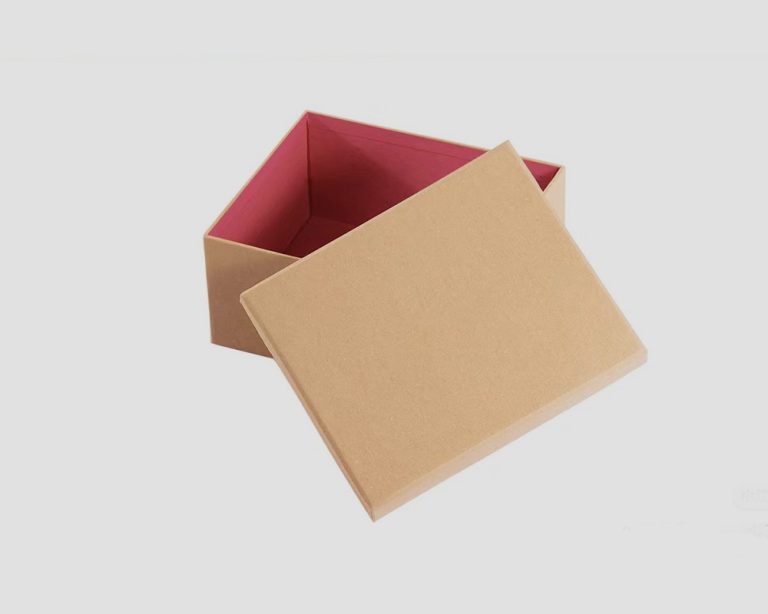
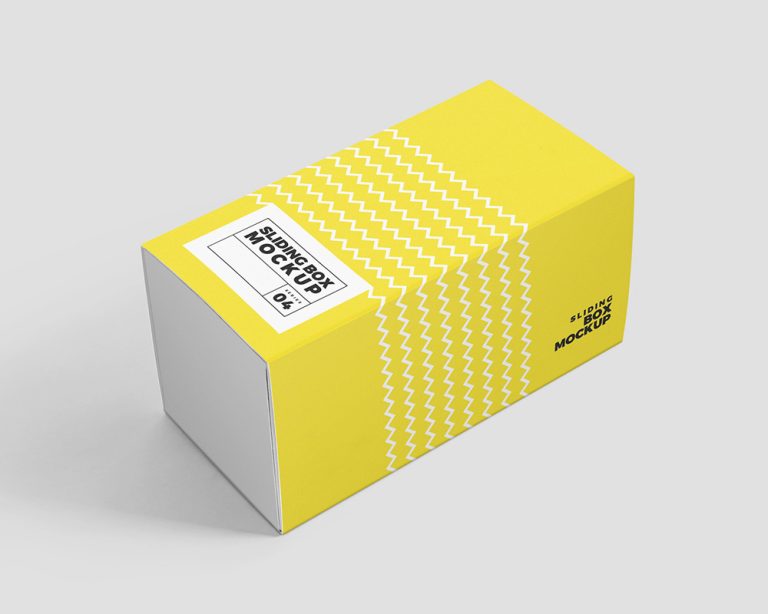
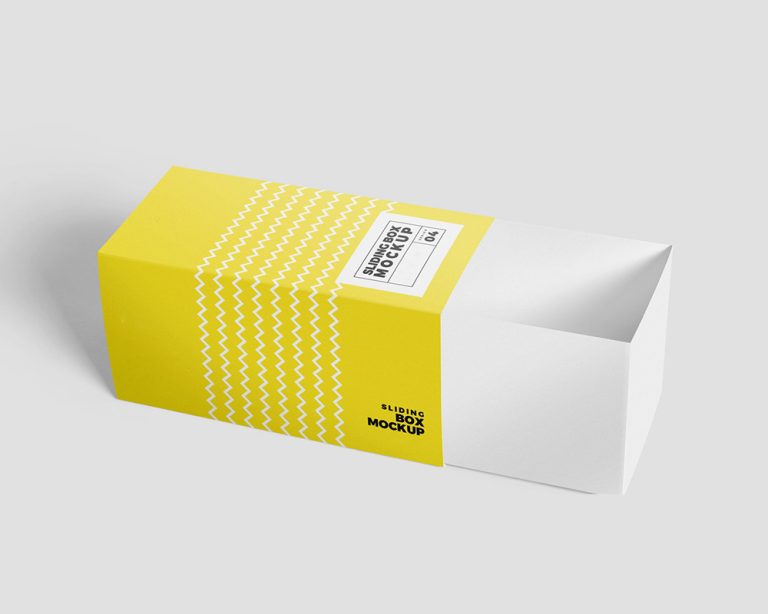
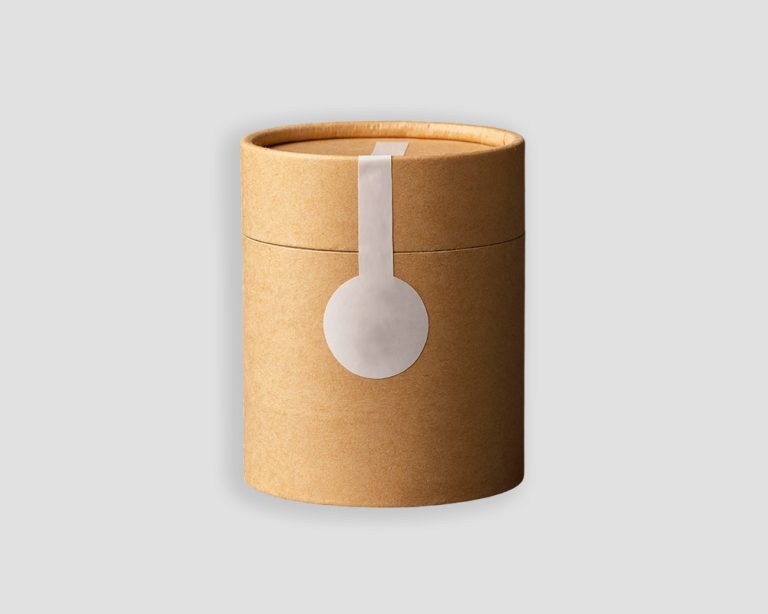
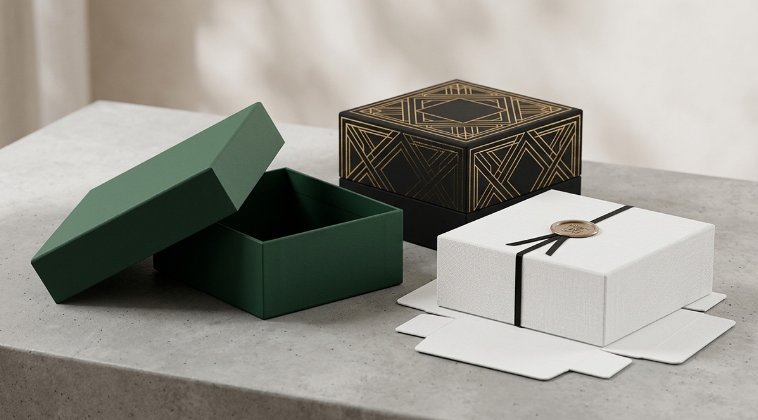
It also helps to see the formats these standards are being met in, not just the list of certificates. The luxury rigid boxes Dr Box produces are a representative set of the materials and finishing it works to those requirements.
|
Standard / Compliance Area |
What it signals |
|---|---|
|
FSC |
Responsible forest-product sourcing and chain-of-custody claims, where applicable |
|
ISO 9001 |
Consistent quality management |
|
ISO 14001 |
Environmental management |
|
BSCI / Sedex (SMETA) |
Social-compliance audits |
|
REACH |
Chemical-substance compliance for the EU market |
|
RoHS |
Restrictions on hazardous substances |
|
EU EPR |
Producer-responsibility registration, set by market and entity |
Quality Control and Pre-Shipment Inspection
Quality control is how a supplier backs up the box you approved with the one you actually receive. The tell is how many checkpoints it runs. A shop that checks at several points, not just the end, will catch more before it ships. And it will let a third party look, if you want an independent set of eyes on it.
Ask where inspection happens across the run. Dr Box runs a seven-stage inspection process, from incoming material through printing, die-cutting, assembly, and surface finishing to final product and pre-shipment checks, and it cooperates with third-party inspection. Set the inspection points before production starts. A fault found at assembly costs a fraction of one found after the boxes are already packed, and it is the difference between a note in the log and a full rework order.
Artwork, Communication, and Confidentiality
File handling is a small window into the larger workflow. Three things are worth pinning down before anything is released: which formats a supplier actually works in, how it proofs color and layout ahead of the run, and whether it will sign an NDA first.
Dr Box works from AI, PDF, PSD, EPS, and CDR files. It proofs against your brand manual, and it will sign an NDA so that nothing you have not released leaves your hands. Private-label work is part of the offer too, and where it makes sense the team can reconstruct or redesign a package from a physical sample you already have. A supplier that answers these questions plainly is usually one that runs the order plainly, which is most of what you are really selecting for.
Logistics, Shipping, and FBA Readiness
Shipping is where projects quietly lose time and money, and it is the part buyers tend to talk about least. Two questions keep it from becoming a problem: how does the supplier actually ship, and can it pack the order for the way your goods will be received?
Dr Box ships through its logistics partners and can set up palletized loads or FBA-ready cartons when that is what the order needs. Lock in the route, the handling in transit, and the packing method before the run starts. The case that lands on your dock is then the one you approved, not a re-pack of it put together at the last moment.
Conclusion
At the end of it, choosing a custom packaging supplier comes down less to a figure on a page than to what the figure is built on. You want a shop that runs the production itself, engineers the structure rather than just printing it, and can sample on a schedule you can plan around. You want a stated minimum you can match to your own volume, standards that meet your market, and files and IP handled with care. The supplier that gives you specifics where others give assurances is the one that takes the avoidable risk out of the order.
If you would like to run your project through this checklist, Contact Dr Box with your product, your quantity, and your target market, and start from a sample.

FAQ
Q: What is the difference between an OEM and an ODM packaging supplier?
In this packaging context, OEM usually means the supplier builds to your specifications and your artwork. ODM goes further: it also develops the structure and design for you. If the design is already finished, you are asking for OEM. If you have a product and a goal but no structure yet, ODM is the useful place to begin. Dr Box supports both.
Q: How many pieces should my first order be?
It depends on the structure. Dr Box starts from a standard minimum of 300 pieces, and the figure can rise with a more complex structure or added finishing. For a test launch, a low floor like 300 is often enough to validate the design before you scale up the run.
Q: How long does it take from sample to finished boxes?
Samples usually come back within three to seven working days. Mass production sits a little further out, at roughly fifteen to thirty working days, and the exact figure moves with quantity and complexity. It is also worth naming which sample stage you are ordering, since a white sample turns around faster than a printed, approved one.
Q: What should I send before the supplier starts?
Ideally the product or its exact dimensions and weight, your target market, your quantity, and any artwork you have. Files in AI, PDF, PSD, EPS, or CDR all work. With that in hand, the supplier can propose a structure and give you a realistic sample and production lead time.