OEM is ideal for custom product packaging when you have an approved design and want to find a manufacturer to produce to your exact approved specification. ODM is ideal when the structure or design around the product still needs much engineering development and you want to have all design work done by the manufacturer before you approve production.
Dr Box is an OEM and ODM custom paper packaging manufacturer for beauty, fragrance, wine and gift projects, covering structures, materials, printing, inserts and completion. For luxury rigid boxes, both OEM and ODM would be suitable. Finished artwork does not necessarily mean that the product is ready for production.
What OEM and ODM Mean for Custom Product Packaging
OEM is short for Original Equipment Manufacturer, ODM for Original Design Manufacturer. When discussing scope in a packaging enquiry, these terms can form a good starting point. However, a detailed description of the work required is always necessary in addition to these terms.
Same brand – OEM for repeat orders, ODM for new product launches. For a project, a mix of existing print ready artwork and open matters such as box size and opening style.
|
Project question |
OEM starting point |
ODM starting point |
|---|---|---|
|
What is available? |
Approved structure and production requirements |
Product details and a packaging brief |
|
What does the manufacturer develop? |
Agreed production adjustments, where needed |
Structure and packaging proposals within the agreed scope |
|
What does the buyer approve? |
Any changes and the production sample |
The proposed design, revisions, and production sample |
|
What guides a repeat order? |
The controlled specification and accepted sample |
The final approved specification and accepted sample |
OEM Works from an Agreed Specification
An OEM packaging enquiry should contain more than a simple photo of the previous box. Supply the current dieline, dimensions, materials to be used, print files etc. as well as any specific finishing instructions. A physical reference sample can also highlight details that a drawing cannot supply, such as the running of drawers or the closure of a lid.
In documents, requirements that must remain the same are distinguished from details that can be changed. For example, a fragrance brand may want to keep the outer dimensions of a retail display fixed but allow the manufacturer to suggest different methods of construction. The proposal for different construction methods would then need to be approved by the brand and should not be changed without approval in some way.
Same care should be taken with reorders. Even a seemingly ‘minor’ change such as a new bottle, amended warning text or change of paper can look to render familiar designs unusable. Rather than rely on ‘same as last time’ approver notes, confirm approved version.
ODM Begins with the Product and Its Use
When a brand has outlined the product and the packaging but not yet worked out the construction of the packaging, ODM packaging development is an excellent place to start. Typically we work with product samples, dimensioned drawings, packed weights, sales channel and key opening and use criteria.
Let’s take the example of a new skincare launch. The bottle has already been developed but the presentation box is still a matter to be decided. A development brief for the box could stipulate a compact format, access from above and space for a product information card. Pictures of attractive boxes are not very helpful for a discussion of this type.
Material preferences should be included in the brief. Different materials such as Kraft paper, a textured wrap and a soft-touch surface can provide different looks and feel to a pack, and should be discussed in relation to the proposed structure of the board, outer paper and lining.
The packaging structural design support provided covers development of pack structures, material suggestions and pack optimization. We can then agree who creates the graphics, write the copy and complete the remainder of the artwork. The structural engineering support provided should not be misconstrued to include all of the tasks required to launch a brand.

Make the Handover Specific
Even before you start to develop samples of products list all expected deliverables, i.e. drawing for discussion, editable dieline, printed sample and production tooling. State in your quotation which of these deliverables are included and which need to be agreed separately.
Further, clarify the method of distribution of files and revisions. We support NDA discussions and treat customer information with the utmost confidentiality. Note that confidentiality, file access, design ownership and exclusivity are all separate from OEM/ODM designation and should be clearly set out for your project.
|
Handover item |
Point to settle in writing |
|---|---|
|
Drawings and artwork |
What files will be supplied, in what format, and at which stage? |
|
Samples and revisions |
What aspects are covered by this update and how will subsequent updates be handled? |
|
Tooling and repeat orders |
Who retains tooling and how are they identified for future use? |
Approve the Sample against the Actual Scope
A Sample Review is used to answer the open questions posed by a specification. The review of a sample for an OEM reorder part typically includes a comparison with the retained reference samples. The review of a sample for an ODM project part helps to decide whether the proposed design is ‘good enough’ to proceed with production.
Use white samples to check the structure and dimensions and printed samples with the artwork and finish of the product. Check the actual product where fitting is important and also check any accessories such as ribbons or cards with the box. A digital image of a sample cannot tell you the closure will fit or if an accessory will stop the box opening.
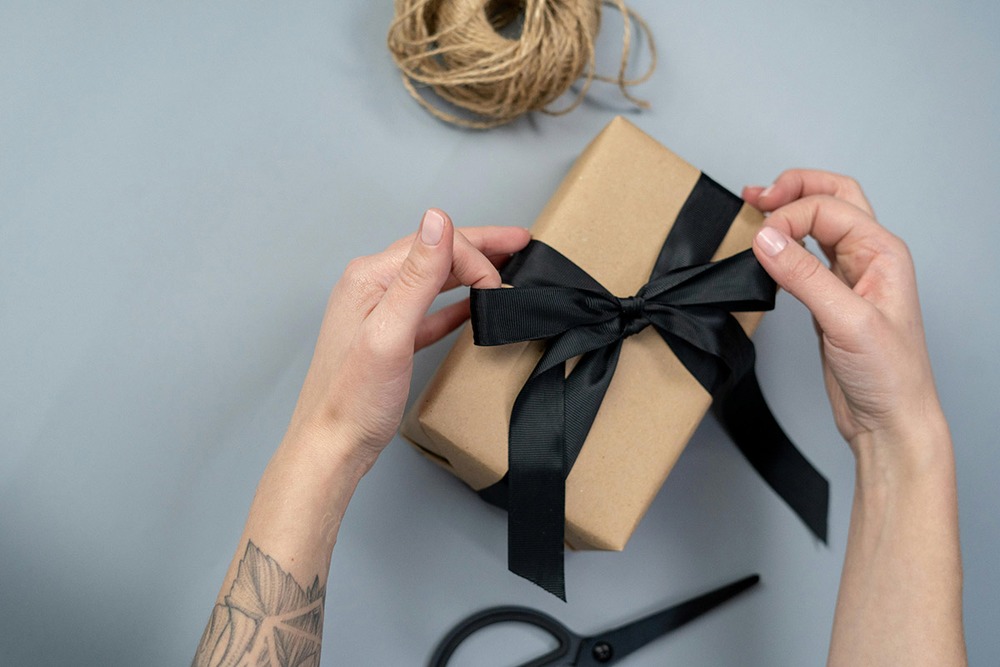
Record the sample that has been accepted, the corresponding artwork, the materials that have been approved and the conditions that still need to be decided. “Approving the sample” is ambiguous. It could be that one person approved the color and another person assumed that the overall structure of the product had been approved. Make it clear what has been approved and what still needs to be decided.
Compare the Full Quotation and Schedule
It’s worth noting that OEM does not necessarily have to cost more than ODM and vice versa. For example an OEM job may require some file correction or evaluation of materials and an ODM quotation may include development work that another quotation does not include. Compare apples with apples by comparing same structure, materials, finishes, quantity and development requirements and then cost.
Ask for development, samples, tooling, and unit production to be identified separately where they are charged. Also establish the basis of the quote: whether it covers one version or several variants, and which approvals are needed before the price can be finalized.
In both cases, details about the manufacturing process are important: How will cutting, printing, finishing and assemblage be done according to the agreed-upon specifications? If any design changes are made after sampling, which steps will need to be redone and will this change affect the original quote or schedule?
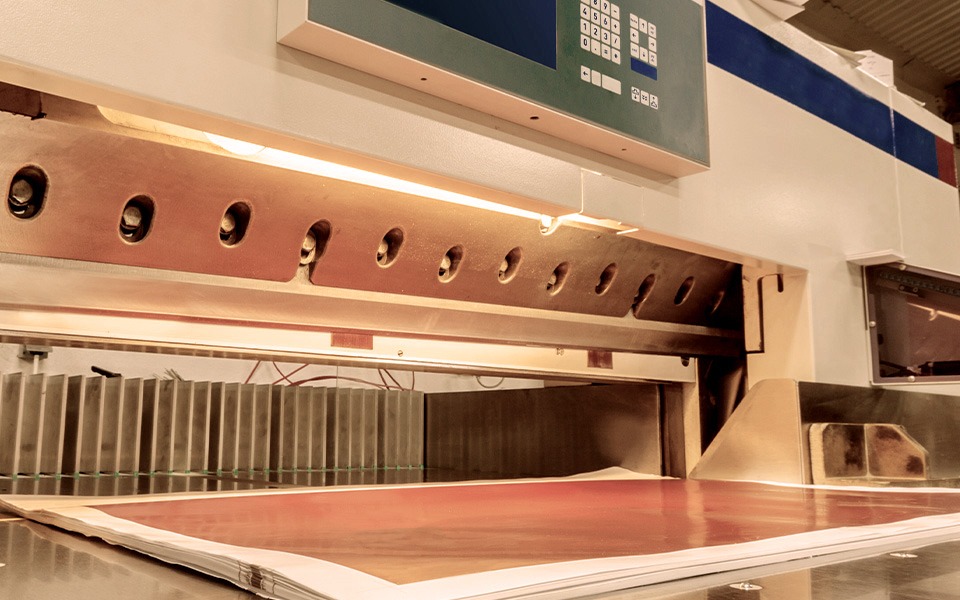
Dr Box’s typical MOQ is 300-1,000 pieces, depending on structure and customization. Sampling generally takes 3-7 working days; mass production generally takes 15-30 working days, depending on quantity and complexity. These ranges are not the full development calendar. Allow additional time for design decisions, revisions, approval, and transport, and agree the schedule for the actual project.
Conclusion
Custom product packaging can be produced in either the OEM or ODM route. OEM production is based on the agreed design for the product, whereas ODM includes design or structural development by the manufacturer within the agreed scope of work.
Review the custom packaging project with Dr Box and use any available files or samples to ensure that all the outstanding decisions and the correct order quantity and delivery date are captured in the proposal for the work that your team need to have done.
FAQ
Q: Do I need a finished dieline before contacting Dr Box?
A: No. Send us product samples or dimensioned drawings with an explanation of the presentation you require. We can go ahead and start structural development within the scope of our ODM service. If you have a dieline for this product, please let us know what the latest revision is and any fixed dimensions and construction details.
Q: Does ODM packaging mean choosing a ready-made box?
No, ODM can include the structural development of your packaging. Even a reference box is not binding and only describes the intended direction. Important is to clarify what development is included and which drawings and samples you will receive.
Q: Is OEM always faster than ODM?
A: No. A complete, approved specification may reduce unresolved design work, but an OEM order can still need corrections or new samples. ODM timing depends on the development scope and approval process. Compare project schedules that include the remaining work, rather than judging timing from the service label alone.
Q: Can I keep my existing artwork while changing the structure?
A: You may start from the original artwork files, but the artwork has to be reviewed against the revised dieline of the structure. Panel sizes, folds, opening direction and end finishes may all change. Keep the original artwork files and approval of adapted artwork separate to the approval of the physical structure prior to going into production.